
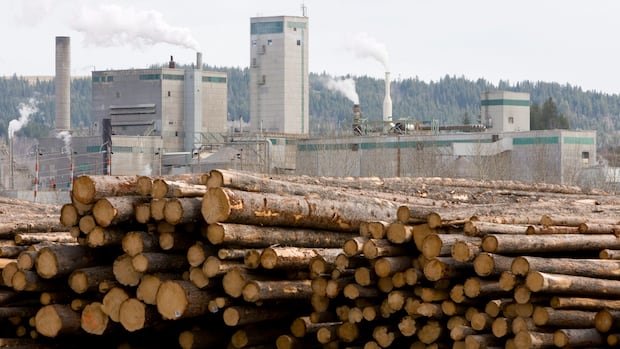

A significant employer in South Cariboo, British Columbia, is permanently closing its lumber mill, impacting not only the 165 employees losing their jobs but also the broader community. West Fraser Timber Co. Ltd. has announced the closure of its 100 Mile House mill by year-end due to challenges in accessing economically viable timber and facing weak softwood lumber markets and U.S. trade actions.
While the company plans to offer alternative work options at other sites, approximately 165 employees at the mill will be directly affected. Mayor Maureen Pinkney of 100 Mile House expressed concerns, noting that the closure will have a ripple effect, affecting around 500 indirect jobs and the entire community. The town, with a population of just over 1,900, is still recovering from the closure of two other major mills in 2019, which resulted in families relocating.
With the loss of another mill, Mayor Pinkney highlighted the potential impact on the local tax base crucial for maintaining infrastructure. She emphasized the challenges faced by the council in managing essential services without sufficient taxation revenues. The closure has raised worries about the community’s economic sustainability.
In response to the closure, Cariboo-Chilcotin MLA Lorne Doerkson described it as devastating, with repercussions extending beyond 100 Mile House to the wider region. B.C. Forest Minister Ravi Parmar expressed his dismay over the decision, attributing it to U.S. trade actions against Canadian softwood lumber.
The closure underscores the urgent need for federal support for the forestry sector in British Columbia. A recent forestry summit in Vancouver led to discussions on supporting the industry, with Prime Minister Mark Carney announcing $1.2 billion in aid for the softwood lumber sector nationwide. Opposition critic Ward Stamer highlighted the decline in fibre supply, emphasizing the importance of addressing logging policies and regulations at the provincial level.
As the community grapples with the closure, Mayor Pinkney emphasized the importance of seeking new industrial opportunities and infrastructure investments to revitalize the area. The closure of the mill has sparked discussions on the future economic direction of 100 Mile House and the need for collaborative efforts to support the local economy during this challenging period.