
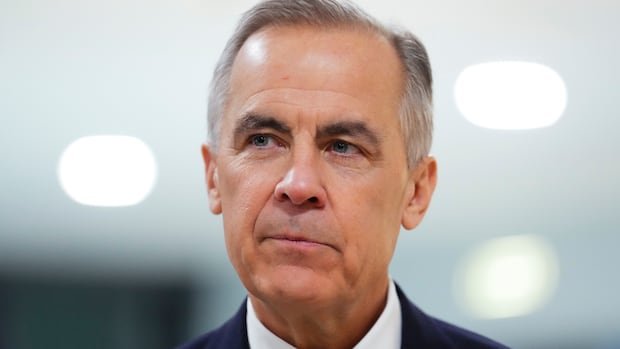

Prime Minister Mark Carney of Canada has stated that there are no plans to engage in a free trade agreement with China. This decision comes amidst U.S. President Donald Trump’s warnings of imposing severe tariffs if Canada proceeds with such a deal.
During a press briefing in Ottawa, Carney emphasized that recent discussions with China aimed to address various trade issues that had arisen in recent years, particularly regarding products like Chinese-made electric vehicles, agriculture, and fish items. Carney reaffirmed Canada’s commitment to the Canada-U.S.-Mexico Agreement, which mandates prior notification to the other member countries before pursuing a free trade agreement with a non-market economy like China.
President Trump voiced strong objections on social media, insinuating that China’s influence over Canada could be detrimental to its economy and way of life. The U.S. President’s threats included a 100% tariff on all Canadian exports to the U.S. if Canada proceeds with a trade agreement with China.
Last week, Canada and China reached an agreement allowing 49,000 Chinese electric vehicles into the Canadian market at a reduced tariff rate of 6.1%, in exchange for China lowering tariffs on Canadian canola and other goods.
The situation escalated further when U.S. Treasury Secretary Scott Bessent clarified that the U.S. could impose tariffs if Canada facilitates the dumping of Chinese goods into the United States. The unpredictability of Trump’s stance on the Canada-China deal was noted by Moshe Lander, an economics professor at Concordia University, who highlighted the need for Canada to explore alternative options to counterbalance U.S. pressures.
The rift between Trump and Canada deepened following Carney’s speech at the World Economic Forum in Davos, where he advocated for middle powers to unite against economic dominance by major powers. Trump criticized Carney’s remarks and emphasized the importance of Canada’s relationship with the U.S.
Foreign Affairs Minister Anita Anand outlined Canada’s strategy in response to Carney’s address, emphasizing the need for collaboration with other nations to protect Canadian interests. Anand highlighted ongoing efforts to diversify trade partnerships, including recent engagements with China and upcoming discussions with India.
Despite the tensions and Trump’s threats, Anand expressed confidence in Canada’s relationship with the U.S. and its commitment to economic diversification to safeguard the Canadian economy.
Overall, the evolving dynamics between Canada, the U.S., and China underscore the complexities of international trade relations and the strategic decision-making required to navigate diplomatic challenges effectively.