
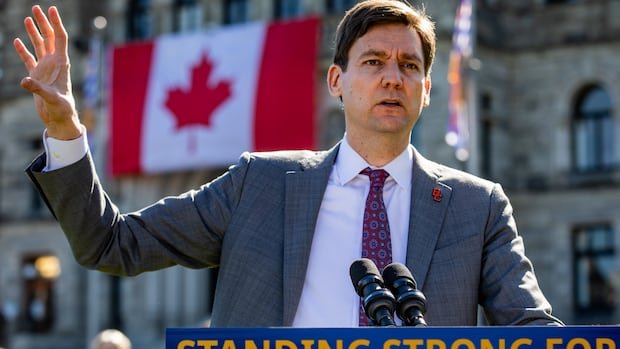

A recent development in British Columbia involves the passage of a bill aimed at expediting the construction of a significant power transmission line from Prince George to Terrace. The North Coast Transmission Line project, championed by Premier David Eby, seeks to enhance electricity distribution in the northern region of the province to support essential mineral ventures and LNG facilities.
Referred to as Bill 31 or the Energy Statutes Amendment Act, 2025, the legislation successfully cleared the provincial legislature with the backing of the B.C. NDP’s slim majority, despite efforts by the Official Opposition to delay it and calls from the B.C. Green Party for amendments.
The government highlighted the necessity for new transmission infrastructure to drive sustainable economic growth when introducing the project as part of a series of 18 priority initiatives aimed at expanding the province’s power network and fostering economic diversification. This initiative aligns closely with Eby’s Look West employment strategy unveiled earlier.
Additionally, the North Coast Transmission Line has been earmarked as one of the principal undertakings slated for expedited permitting and approval by Prime Minister Mark Carney. The estimated cost for the project stands at $6 billion, with the Canada Infrastructure Bank poised to provide a $140 million loan to B.C. Hydro for its realization.
Charlotte Mitha, the President and CEO of B.C. Hydro, emphasized the strategic importance of the North Coast Transmission Line in supporting the province’s forthcoming industrial expansions, emphasizing the collaboration with First Nations and provincial authorities.
Opposition to the bill was evident as the B.C. Conservatives attempted, albeit unsuccessfully, to impede its progress through a hoist motion in the legislature, arguing against the necessity of the legislation for the transmission line construction. Leader John Rustad raised concerns about the province’s electrical capacity to sustain the project.
The B.C. Green Party, represented by MLAs Jeremy Valeriote and Rob Botterell, initially supported the bill in the hopes of amending it to enhance transparency and accountability in electricity allocation. However, failing in their efforts, they ultimately voted against the legislation, citing concerns about the project primarily serving as a subsidy for LNG ventures rather than an enduring investment in clean energy.
The Greens also criticized the lack of adequate engagement and consultation with First Nations along the proposed line, expressing reservations about a perceived lack of independence in the decision-making process concerning power allocation.
Despite the controversies surrounding the bill, some indigenous groups, including the Nisga’a Nation and affiliated entities like K’uul Power, have voiced support for the North Coast Transmission Line project.