
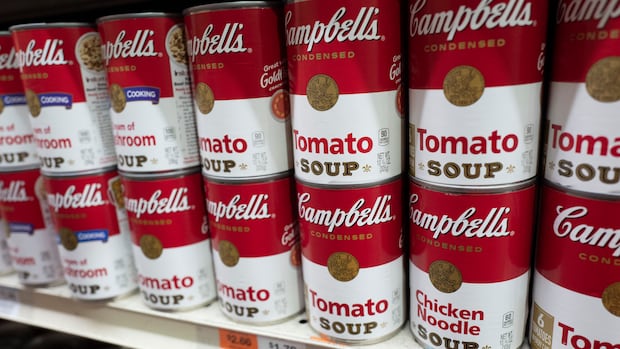

Tensions are running high during a time of soaring grocery costs, compounded by a shortage of budget-friendly meal choices, as consumers grapple with annual holiday spending pressures.
This has ignited outrage over a recent lawsuit claiming that a Campbell’s executive ridiculed its own canned soup products and the consumers who purchase them, referring to it as food for “poor people.”
“Just in time for Thanksgiving, I won’t be buying any of your products, and I’m advising everyone I know to do the same,” one user remarked on a Campbell’s Instagram post on Monday.
“It’s time to boycott; perhaps the wealthy will start buying it,” added another commentator.
The lawsuit, initiated by a former security analyst at Campbell’s, claims he was terminated for reporting inappropriate behavior by the company’s vice president and chief information security officer, Martin Bally.
-
‘Struggle meals’ and Hamburger Helper are trending because food is so expensive
-
Rising cost of food is changing how Canadians eat, survey shows
According to the court filings made in Michigan’s Wayne County Circuit Court on Nov. 20, the plaintiff, Robert Garza, states he met with Bally in November of the previous year to discuss his salary.
During this meeting, “Bally made numerous racist remarks that astonished the Plaintiff,” according to the documents. For instance, Garza alleges that Bally made several derogatory comments regarding “Indian workers.” He also claims that Bally admitted to often coming to work under the influence of edibles.
The documents further claim that Bally stated Campbell’s produces “highly processed food” intended for “poor people.”
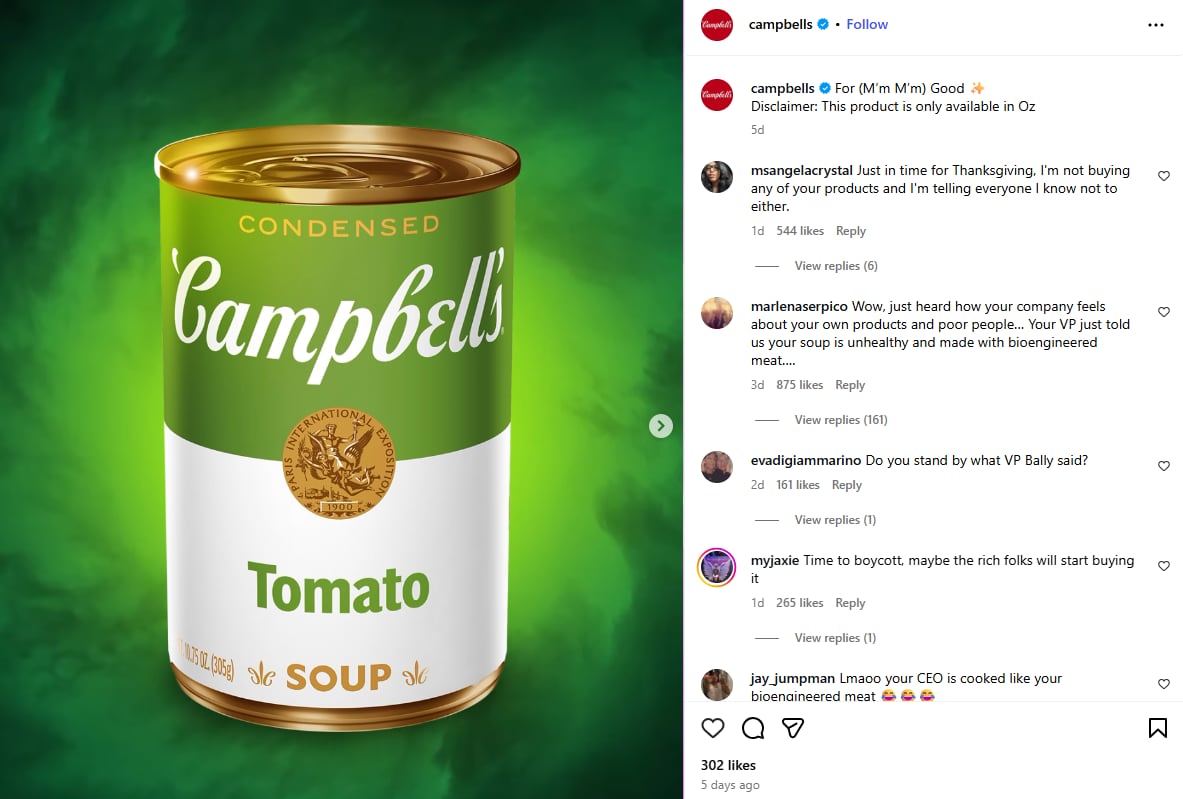
An Instagram post from Campbell’s shared on Nov. 20, highlighting the movie Wicked: For Good. The comments feature reactions to the allegations made by a former employee. (Instagram/@campbells)
Garza claims he secretly recorded the meeting and distributed the video to multiple media organizations. In the recording, the individual, whom Garza asserts is Bally, refers to the company’s offerings as “s–t for f—ing poor people.”
The individual also claimed that Campbell’s utilizes “bioengineered meat” and “chicken sourced from a 3D printer.”
CBC has not verified the authenticity of the video independently. Bally has not publicly addressed the allegations outlined in the lawsuit, and efforts by CBC to reach him have been unsuccessful.
Bally has been placed on temporary leave while Campbell’s conducts its own inquiry, a spokesperson for the company confirmed to CBC News via email, which was also posted online.
“If the alleged comments were indeed made, they are intolerable. They do not align with our values or the culture of our organization,” the statement reads.
“We take pride in the food we produce, the individuals who create it, and the high-quality ingredients we utilize. We recognize that millions rely on Campbell’s products, and we are honored by the trust they place in us.”

Ultra-processed foods are not good for your health, but they tend to be cheaper, easier to prepare and shelf stable. CBC’s Jennifer Yoon explains why it’s hard to stop eating them and what Canada could do to help you consume fewer of them.
‘Inaccurate and absurd’
This lawsuit emerges as individuals across the U.S. and Canada are finding it increasingly difficult to afford food due to escalating prices. In Canada, for example, food expenses have been surging for over a year, with grocery inflation generally on the rise since April 2024.
Food remains the primary financial worry for Canadian households, as indicated by the latest edition of the Canadian Food Sentiment Index, published by Dalhousie University’s Agri-Food Analytics Lab.
On social media, many customers expressed their outrage regarding the claims in the lawsuit documents. Some declared their intention to discard any Campbell’s soup cans they had and encouraged others to refrain from purchasing from the brand again.
-
What would it take for Canadians to eat less ultra-processed foods?
-
Food prices in Canada keep climbing, but these grocery items will give you sticker shock
However, Campbell’s disputes the assertions regarding its ingredients, stating in its response to CBC News that “the individual allegedly speaking on the recording is part of the IT department and has no involvement in our food manufacturing process.”
“The comments made about our food are entirely incorrect and ridiculous,” the company asserted.
In a statement released on the company’s website Tuesday, Campbell’s reiterated that it does not incorporate 3D-printed chicken, lab-grown chicken, or any type of artificial or bioengineered meat in its soups.
“Campbell’s soups are made with genuine chicken. Period.”
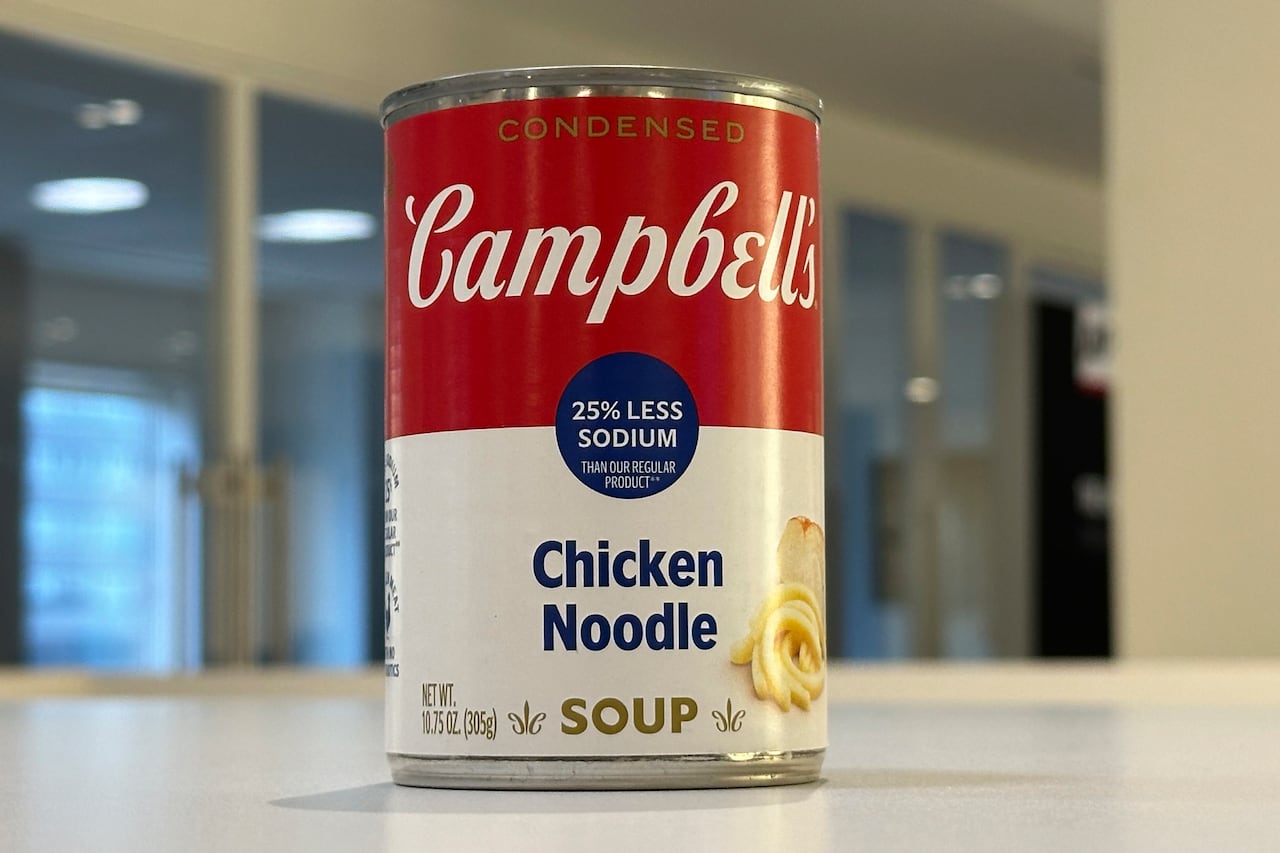
A can of Campbell’s soup is featured in December 2024 in New York. (Peter Morgan/The Associated Press)
‘Abruptly fired’
Garza reported the incident involving Bally to his supervisor back in 2024, as indicated in the court filings, and claimed that around January 10, 2025, he informed his supervisor of his desire to notify human resources. He asserts that his supervisor did not encourage him to make the report.
Garza was “suddenly terminated” on January 30, according to the court filings. He claims that this was retaliation for his complaints. He is now seeking a “sum that the court or jury deems fair and just, including attorney fees, costs, and punitive damages.”
Campbell’s response did not address Garza’s claim regarding his termination being due to his complaints.
In a written statement, Garza’s attorney Zachary Runyan expressed that the situation has been extremely challenging for his client.
“He believed Campbell’s would appreciate him reporting Martin’s behavior, but instead, he was abruptly dismissed,” Runyan, of Runyan Law Group in St. Clair Shores, Michigan, told CBC News.
“We look forward to achieving justice for Robert.”