
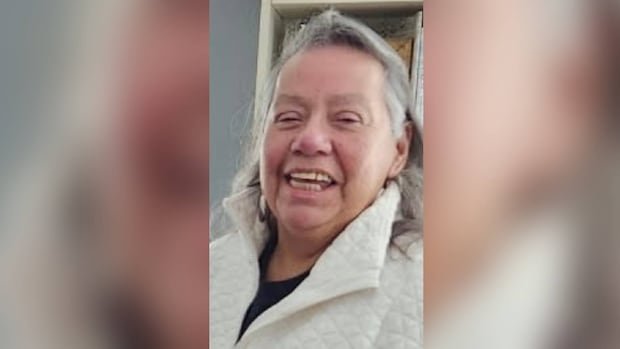

The government under Carney’s leadership is engaged in a legal battle with a First Nations grandmother to challenge longstanding legal mandates requiring Canada to ensure equal access to essential healthcare and social services for First Nations children, as per the woman’s legal team. The Federal Court of Appeal in Ottawa is currently reviewing this landmark case involving Jordan’s Principle, a legal doctrine mandating immediate care provision for First Nations children without delays due to jurisdictional disputes. Lawyers for Oneida grandmother Joanne Powless argue that Canada’s stance essentially undermines previous Canadian Human Rights Tribunal (CHRT) rulings related to the principle.
According to David Taylor and Siobhan Morris from Conway Baxter Wilson, Canada’s actions are seen as an indirect attempt to dispute resolved issues by the CHRT and challenge a decade’s worth of CHRT orders. Taylor emphasized the finality and binding nature of the tribunal decisions, affirming that Canada has not successfully contested any of them previously. The outcome of this hearing could have significant implications for over 100,000 pending applications at Indigenous Services Canada, potentially affecting numerous children.
Joanne Powless sought approximately $200,000 through Jordan’s Principle in 2022 to address mold contamination in her home on Oneida Nation of the Thames near London, Ontario, where she resides with her two grandchildren. The children’s doctor deemed the remediation work crucial for the sisters, who suffer from asthma aggravated by their living conditions. Despite a successful judicial review in Federal Court, Canada maintains that major home renovations fall outside the scope of Jordan’s Principle. The court ruled that officials must evaluate each request based on individual health needs and the best interests of the child for substantive equality.
Canada contends that there is no discrimination since no existing program in the country covers the sought-after mold remediation and renovation work. The government argues that Jordan’s Principle cannot address broader housing inadequacies on reserves or fully cater to the needs of First Nations children when no other services are available. The dispute underscores a core aspect of Jordan’s Principle intended to prevent First Nations children from being placed in child welfare care, as highlighted by Cindy Blackstock of the First Nations Child and Family Caring Society.
The hearing saw Justice Canada lawyer Christine Mohr defending the position that Jordan’s Principle applies only in cases of discriminatory service gaps, justifying ISC’s denial of Powless’s request. The panel of judges, however, raised concerns about this interpretation, with Taylor asserting that Canada must consider requests even in the absence of existing services. The court is yet to announce its decision following the arguments presented during the hearing.