
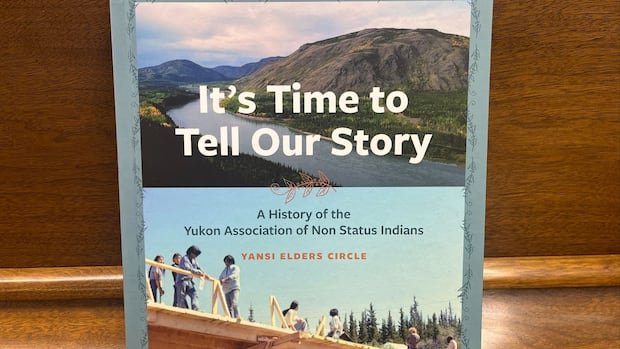

The Yukon Association of Non-Status Indians (YANSI) has unveiled a new publication titled “It’s Time to Tell Our Story: A History of the Yukon Association of Non-Status Indians.” This book delves into the organization’s past and examines the impact of the Indian Act’s classification of individuals as either status or non-status on the Indigenous community in the region.
During the launch event on September 29, the current YANSI chair expressed satisfaction with the turnout and highlighted the presence of numerous elders who shared their valuable narratives. The enactment of the Indian Act in 1876 granted the Canadian government authority to determine Indigenous identity, leading to the exclusion of non-status individuals, particularly women and their offspring from mixed marriages, from certain privileges afforded to status individuals under the Act.
YANSI was initially established to advocate for those marginalized by the Indian Act, individuals rich in Indigenous heritage but not recognized under the legislation. Through various initiatives and advocacy efforts, the organization aimed to promote equality and inclusivity for a harmonious society.
Susan Power, a member of the Whitehorse Women’s Aboriginal Circle actively involved with YANSI, emphasized the book’s role in documenting the organization’s formation, drawing insights from over 50 elders’ accounts gathered over three years. The book serves as a repository of oral histories, preserving the legacy of Indigenous experiences within the community.
Shirlee Frost, a member of the YANSI Elders Circle, highlighted the significance of the book’s title in empowering non-status individuals to share their historical journey, including their involvement in the claims process before formal land claims. She recalled the historical divide between status and non-status individuals within the Indigenous community.
Margaret Commodore, YANSI’s first vice president, reflected on the organization’s humble beginnings and its evolution, underscoring the challenges faced in amplifying non-status voices. She recounted personal struggles endured during a period of status loss, emphasizing the hardships faced by those excluded from reserve living and essential services.
The book’s initial print run of 500 copies was distributed among members and their families, with additional copies available in educational institutions, government facilities, and libraries across the Yukon. Plans for a digital version featuring recorded interviews with elders are also under consideration.