
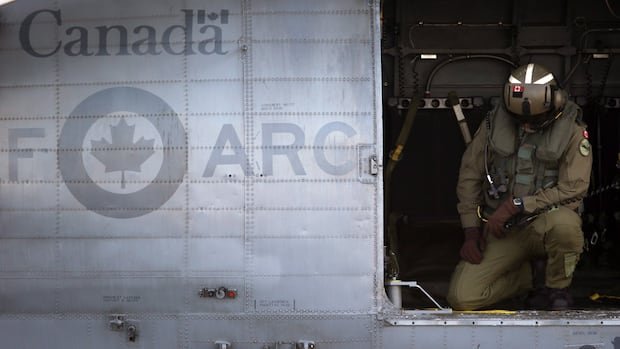

A recent internal report from the Defence Department, obtained by CBC News, criticized the implementation of a new pay structure for military pilots. The changes, introduced in 2021 to address pilot shortages identified in a 2018 auditor general report, have led to dissatisfaction among officers. The revised system, designed to mirror civilian pay scales based on flying experience rather than rank, has resulted in 85 grievances from pilots who view it as unfair and career-limiting.
Retaining pilots is crucial as the arrival of the new F-35 fleet approaches. The auditor general highlighted ongoing challenges with pilot shortages, emphasizing the importance of addressing this issue. The new pay system aims to align military pilot compensation with commercial standards, providing incentives for skill development and long-term service.
Despite the intention to align military pilot wages with those in the commercial sector, the new system has faced criticism for unintended consequences. Some pilots are earning more under the revised pay scale, causing reluctance among them to accept promotions. The report highlighted deficiencies in the implementation process, noting a lack of thorough research and planning compared to practices in allied armed forces.
The Defence Department defended the new system, emphasizing its focus on individual experience and its role in attracting pilots back to the Royal Canadian Air Force. However, concerns raised by former air force major-general Charles (Duff) Sullivan underscore the complexity of pilot retention beyond monetary incentives. Quality of life considerations in remote postings and unique challenges in the military aviation sector must also be addressed.
While the government recently announced a general pay increase for the military, separate from the pilot bonus system, ongoing grievances and challenges remain in ensuring effective pilot retention strategies.