

A new monument celebrating the resilience of residential school survivors and honoring the victims in Yellowknife is likely to be located at Somba K’e park. The project to erect this monument in the Northwest Territories has been ongoing for several years, with the government specifying the site next to the playground at Somba K’e park in the early stages of the procurement process.
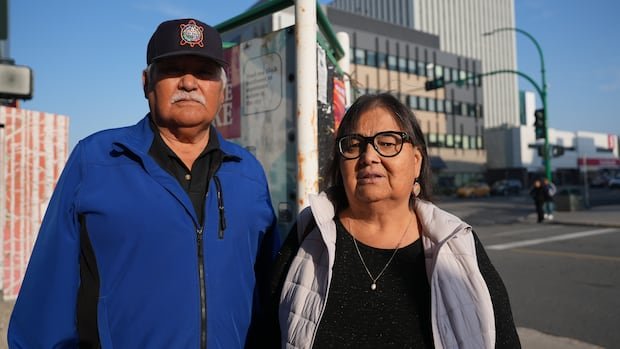
Doreen Cleary, a co-founder of the advocacy group We Always Remember (WAR) comprising residential school survivors in the N.W.T., has been a staunch advocate for the monument’s construction. Having witnessed the profound impact of residential schools on her family, including the loss of relatives and her husband’s suffering, Cleary emphasized the importance of creating a lasting memorial for remembrance.
Paul Andrew, another co-founder of WAR, highlighted the significance of the monument in educating younger generations about their familial connections to residential schools. He expressed hope that the monument would facilitate conversations about the difficult experiences endured by survivors and contribute to the ongoing reconciliation efforts.
The monument aims to serve as a poignant reminder of the unfinished work in the reconciliation process, emphasizing the need for concrete actions beyond symbolic gestures. Marie Wilson, a former commissioner on the Truth and Reconciliation Commission, emphasized the importance of ensuring that the legacy of residential schools endures through such memorials, as many Canadians remain unaware of this dark chapter in history.
The N.W.T. government’s commitment to fulfilling Call to Action 82 from the Truth and Reconciliation Commission underscores the significance of establishing residential school monuments in capital cities across Canada. While progress in this regard has been limited in other provinces and territories, the N.W.T. government is striving to unveil the memorial by June 2027.
With the N.W.T. having a higher concentration of residential school survivors per capita than any other region in Canada, the monument’s vision is being guided by the survivors themselves to promote healing and remembrance. Despite facing challenges such as wildfires and territorial elections, the project is steadily advancing, with collaborative efforts with survivors to ensure their voices are central to the monument’s design.
The chosen location at Somba K’e park holds special significance, being envisioned as a space that fosters healing and communal gatherings. The proximity to natural elements like water, trees, and rocks reflects the Indigenous identity and values embedded in the monument’s design. The government has invited proposals from Indigenous artists in the N.W.T. and Nunavut to submit their ideas for the monument’s visual representation, underscoring the commitment to cultural authenticity and inclusivity in this commemorative project.