
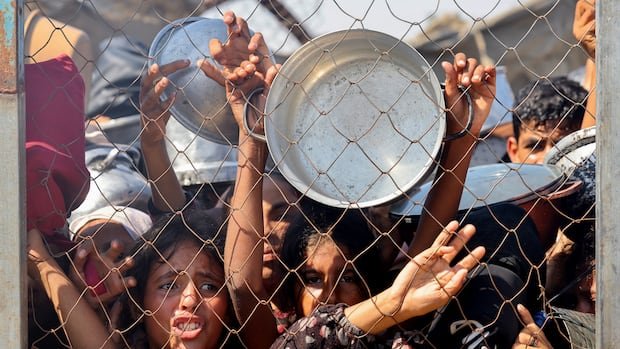

The recent announcement of a ceasefire plan has sparked optimism for increased aid in Gaza, yet a significant level of hunger persists. A fresh study by researchers from the UN Relief and Works Agency for Palestine Refugees in the Near East (UNRWA), published in the Lancet medical journal, reveals that over 54,600 children under five in the Gaza Strip are severely malnourished. The study utilized upper-arm measurements of children aged six months to five years to assess the prevalence of “acute wasting,” the most critical and life-threatening form of malnutrition necessitating therapeutic intervention.
Children with arm measurements below 125 millimeters were enrolled in UNRWA’s feeding program. Acute wasting in children results in extreme thinness and weakened immune systems, predisposing them to developmental delays and diseases. The study, which surveyed more than 219,000 children at 16 operational health centers and 78 medical points between January 2024 and August 2025, is deemed the most comprehensive analysis of child hunger in the region thus far.
Dr. Masako Horino, the lead author of the study and a nutrition epidemiologist, highlighted the alarming situation, stating, “Following two years of war and severe restrictions in humanitarian aid, tens of thousands of pre-school aged children in the Gaza Strip are now suffering from preventable acute malnutrition and face an increased risk of mortality.”
As of August 2025, 15.8% of screened children were experiencing acute wasting, according to UNRWA. The study’s findings indicate a worsening of malnutrition during escalated conflicts and blockades, with some respite during intermittent ceasefires. Dr. Prabhat Jha, a global health professor, expressed shock at the fluctuating levels of malnutrition in correlation with food aid inflows into the region.
In a commentary accompanying the study, experts in child health, nutrition, and public policy emphasized the urgent need for sustained humanitarian assistance to address the dire malnutrition crisis in Gaza. Despite previous denials by Israeli Prime Minister Benjamin Netanyahu regarding reports of starvation during the conflict, health ministry data revealed significant casualties due to malnutrition, with hospitals overwhelmed by malnourished children and a scarcity of therapeutic foods.
In August, the leading authority on food crises declared a famine in Gaza City, warning of its potential spread to other areas. The study authors acknowledged challenges in data collection due to the conflict, citing limitations in sample representation and measurement methods. Despite the ceasefire, the long-term impact of malnutrition on children’s health and development remains a pressing concern, with potential far-reaching consequences for future generations in Gaza.