



Playing with your dog is not just fun but also a crucial way for them to learn.
Dogs, being social creatures, navigate the world using visual cues and can even pick up on emotions through scent. Their vocabulary typically evolves through interaction with their owners, grasping words that hold significance, such as “walk” or “fetch.”
However, a select group of dogs, termed “gifted word learners,” can master over 100 words, as revealed in a study published in the journal Science. Shany Dror, a post-doctoral researcher at E.L.T.E. University in Budapest and the Veterinary University of Vienna, shared that these dogs’ toy vocabulary appears limitless, constrained only by their owner’s patience and toy space.
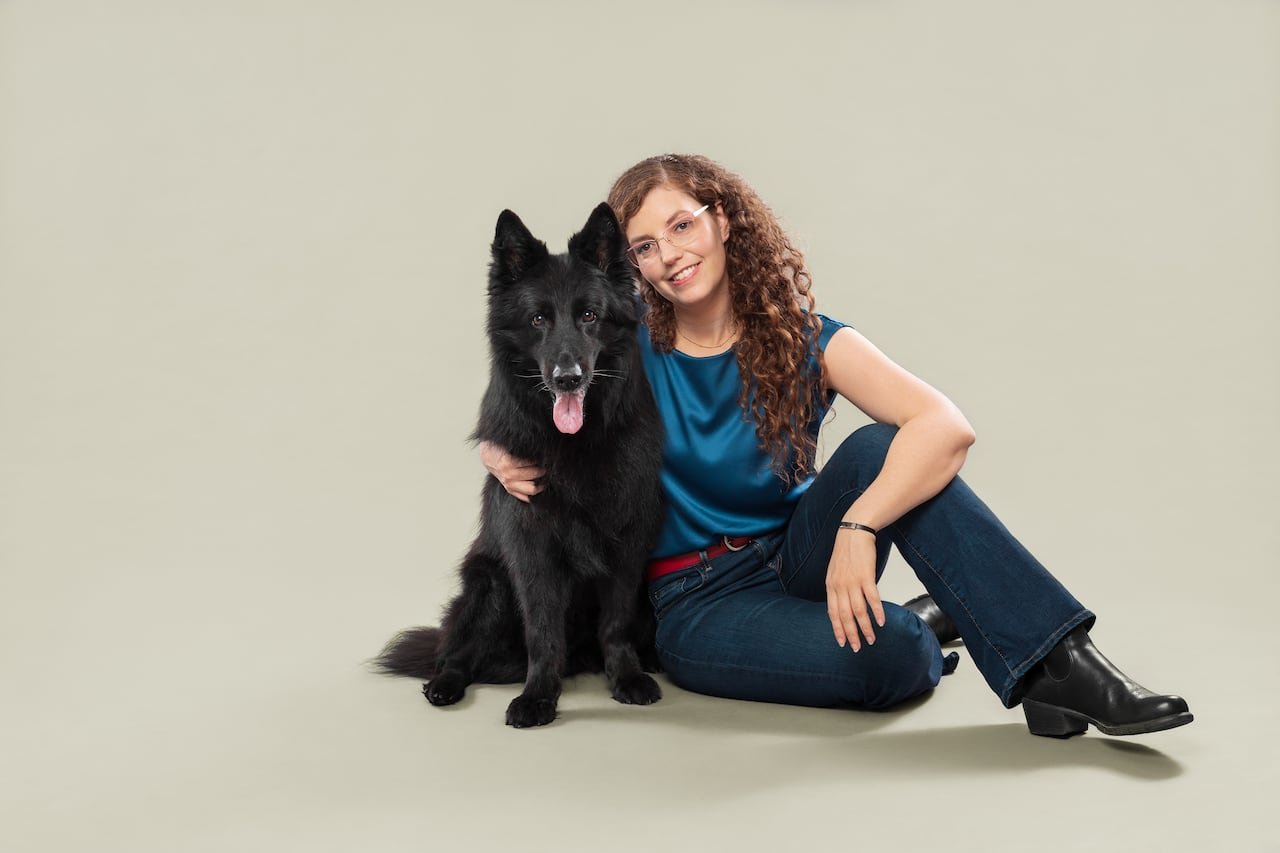
Among the identified gifted dogs, around 40 to 45 worldwide possessed the ability to recognize more than 100 toy names, with some comprehending between 200 and 300 names. Notably, one exceptional dog even understood over 1,000 words, exclusively toy names. Dror highlighted that while the skill is not breed-specific, Border Collies dominated the gifted cohort.
“We’ve observed breeds not historically bred for human interaction, like Pekingese and Shih Tzu, and even a few Yorkshire Terriers, showcasing this ability,” stated Dror.
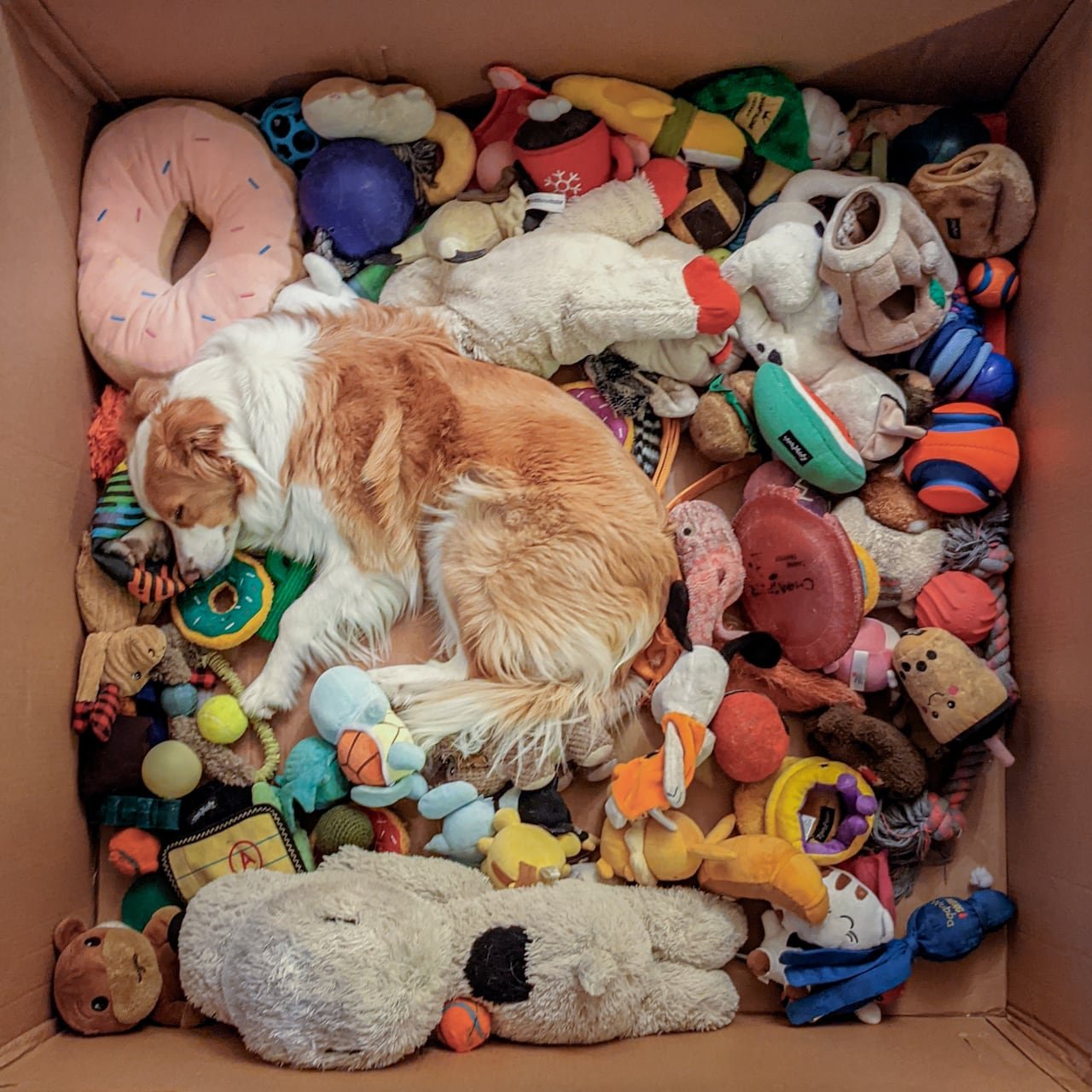
Exceptional Canine Talents in Canada
Miso, a remarkable seven-year-old Border Collie from Oshawa, Ont., stands out as one of these exceptional dogs.
His owner, Veronica Suen, initially underestimated Miso’s intelligence since he was her first dog. Suen reminisced about Miso’s early days, where he effortlessly responded to various toy requests without her realizing the uniqueness of his abilities.
Upon encountering Dror’s Genius Dog Challenge online, Suen recognized Miso’s advanced skills and enrolled him in four studies over the years. To aid in Miso’s word retention, Suen devised simple names for each toy, like “Pikachu” for a Pikachu doll and “Croissant” for a croissant-shaped toy.
- <a class="similarLink" href="https://www.cbc.ca/documentaries/the-nature-of-things/can-dogs-actually-talk-to-humans-researchers-put-these-c