
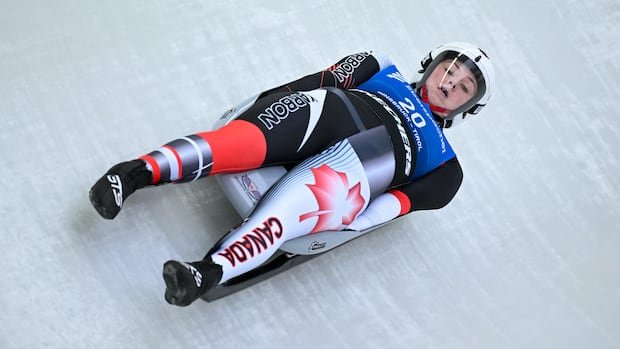

Canadian luger Caitlin Nash, at 23 years old, expressed concerns about the financial challenges hindering her ability to sustain her athletic career until the 2030 Olympics. Nash highlighted the impact of stagnant core funding from the federal government for the past two decades, which has failed to keep up with inflation, leading to increased financial burdens on athletes and national sport organizations (NSOs).
Recent cuts in federal funding for NSOs have exacerbated the financial strain, forcing athletes like Nash to bear higher costs, such as team fees and travel expenses. Nash revealed that her team fees have substantially increased, making it difficult for athletes to continue competing without adequate financial support.
Similarly, Bobsleigh Canada Skeleton (BCS) has witnessed a significant rise in team fees, creating financial challenges for athletes like Cesar De Guzman. Even Olympic medallists like speed skater Isabelle Weidemann have faced financial difficulties, highlighting the funding crisis affecting Canadian athletes across various sports.
Funding Challenges
The complex sport funding system in Canada relies on government and corporate support, with federal funding through Sport Canada playing a crucial role in sustaining NSOs and athletes. Despite efforts to secure additional funding, the core government allocation for sport has remained stagnant for two decades, impacting the overall sustainability of the Canadian sport system.
Adam van Koeverden, Secretary of State for Sport, emphasized the need for increased investment in sport at all levels to address the funding gaps. While the government has proposed some funding increases, the overall financial support falls short of the Canadian Olympic Committee’s requests, creating ongoing challenges for athletes and NSOs.
Financial Struggles
Athletes can access limited financial support through programs like the Athletes Assistance Program, but the funds are insufficient to cover rising costs, such as team fees and travel expenses. Athletes often rely on sponsorships and secondary jobs to supplement their income, underscoring the need for additional financial backing to sustain their athletic careers.
NSOs, like BCS, have faced funding cuts and financial instability, leading to increased financial burdens on athletes and potential risks of losing talented individuals due to financial constraints. The Canadian sport system’s financial challenges continue to impact athletes’ ability to compete at a high level and achieve their full potential.
Looking Ahead
The ongoing funding crisis in Canadian sports highlights the urgent need for increased financial support to ensure the sustainability and success of athletes and NSOs. As athletes like Nash and De Guzman navigate the financial hurdles in their athletic careers, the call for enhanced funding and support from all sectors remains crucial to safeguard the future of Canadian sports.
Efforts to address the funding disparities and financial challenges facing Canadian athletes and NSOs are essential to maintain the country’s competitiveness on the international stage and support the development of a thriving sport system for future generations.