
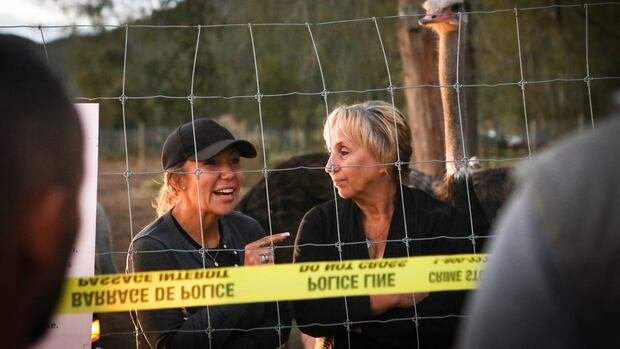

The Syilx Okanagan Nation in British Columbia denied issuing a cease and desist letter concerning a controversial ostrich farm facing a cull order from the Canada Food Inspection Agency (CFIA). The Universal Ostrich Farm in Edgewood, located east of Kelowna, has been in a legal battle with the CFIA following an avian flu outbreak that resulted in the death of 69 ostriches, leading to a cull order for over 300 remaining birds.
The Chiefs Executive Council of the Syilx Okanagan Nation stated that they had received a copy of a cease and desist letter allegedly shared with the RCMP by the farm’s spokesperson. The letter claimed protection for the farm within the territorial boundaries of the Secwepemc and Sylix Tribal people and was signed by “Manitou Wabski Kinew,” a legal advisor for Signatory Indian Tribes.
In response, the Syilx Okanagan Nation clarified that the letter was not issued by their Nation and raised concerns about its authenticity, noting similarities to the name of the Premier of Manitoba, Wab Kinew. The Nation condemned any unauthorized use of their name or authority for personal gain.
The farm spokesperson, Katie Pasitney, had previously mentioned that the Syilx and a “signatory Indian tribe” had sent the letter to protect the farm and its ostriches. The farm owners, David Bilinski and Karen Espersen, have garnered support, including from individuals associated with the Freedom Convoy movement, who view the CFIA’s actions as government overreach.
Hayden King, the executive director of the Yellowhead Institute, emphasized the appropriation of Indigenous values by non-Indigenous groups like the Freedom Convoy, highlighting the need for genuine solidarity and respect for Indigenous perspectives. He noted a growing trend of appropriation of Indigenous language and tactics by fringe groups, attributing it to the effectiveness of Indigenous resistance over time.
The mention of the “Secwepemc Signatory Tribe” in the cease and desist letter could not be verified by CBC Indigenous. The Shuswap Nation Tribal Council, consisting of nine Secwepemc communities, clarified the composition of their member bands. CBC Indigenous attempted to reach out to the Council for official comment but did not receive a response at the time of publication.
Katie Pasitney maintained that there is support from First Nations for the ostriches but did not specify which First Nation she was referring to when asked for clarification by CBC Indigenous. The farm spokesperson indicated the intention to provide the positions of the First Nation through her lawyer but declined to elaborate further during the interview.