

When the Finance Minister François-Philippe Champagne faced the House of Commons finance committee this week, Conservative MP Pat Kelly posed a seemingly straightforward yet complex question about balancing the budget in the future. Champagne’s responses failed to provide a clear answer, leading to a back-and-forth exchange between the two. The discussion spiraled into a debate on the philosophical nature of responses.
While it’s reasonable to question the fiscal trajectory of the federal government, it’s worth noting that the Conservative Party’s recent platform did not specify a balanced budget timeline, with Pierre Poilievre’s proposed government expected to run deficits until at least 2028.
During the committee session, Kelly referenced a projection from the CD Howe Institute earlier this year, suggesting a potential $90 billion budget deficit due to a significant uptick in defense spending by the federal government. In response, Champagne challenged Kelly on whether he was hinting at neglecting NATO commitments to safeguard Canada’s sovereignty, to which Kelly reiterated his call for a direct response to his initial question.
The dialogue between Kelly and Champagne concluded without concrete answers, highlighting the ongoing debate surrounding federal fiscal policy and the elusive quest for a balanced budget amidst escalating defense expenditures. As the federal budget is slated for presentation on November 4, a more substantial discourse on financial matters may be on the horizon.
The budget discourse received a sudden shakeup two weeks ago when the parliamentary budget officer raised concerns about the sustainability of federal finances, describing the situation as alarming and concerning. This warning, though impactful, drew skepticism from some, considering past reports indicating sustainable fiscal stability despite ongoing deficit concerns.
The shift in tone by the parliamentary budget officer was challenged by former officer Kevin Page, who questioned the choice of language and the conclusions drawn regarding the fiscal outlook. The current discourse on fiscal sustainability remains a topic of contention, with varying perspectives on the urgency of addressing the evolving economic landscape.
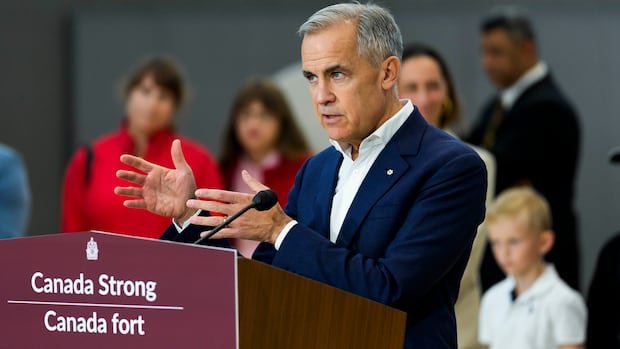
Despite boasting positive fiscal metrics compared to other G7 nations, including a top credit rating and low debt levels, the federal government faces calls for increased financial discipline. Prime Minister Mark Carney emphasized the need for spending restraint, signaling a potential shift in fiscal policy to curb deficits and prioritize prudent financial management.
As the federal budget release approaches, expectations are high for substantial spending cuts or reallocations as part of a program review. Carney has acknowledged the necessity of making tough decisions to navigate the economic challenges effectively, hinting at potential measures that may not please all stakeholders.
The upcoming spending review by the Carney government is anticipated to focus on targeted areas for cost reduction, steering clear of major transfers or tax-related expenditures. While the prospect of spending cuts may signal a shift towards fiscal responsibility, the repercussions of such decisions and the need for strategic clarity in financial planning remain paramount.
In the midst of ongoing debates surrounding federal finances, the impending budget release may spark a renewed discussion on trade-offs, expenditure priorities, and revenue generation strategies. The need for a comprehensive approach to address fiscal challenges and strategic investments in critical sectors like defense and infrastructure underscores the complexity of balancing budgets in the current economic climate.