
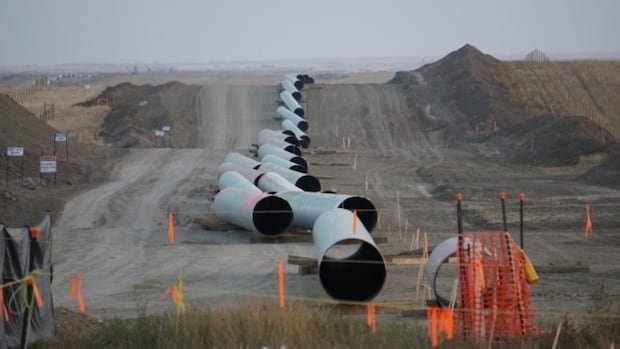

Is the third attempt at resurrecting the Keystone XL pipeline poised for success? Over 15 years after its original proposal and following two presidential cancellations, the pipeline project might see a revival, bringing hope to its longstanding supporters. However, energy experts caution that the project still faces significant challenges if it is to be resurrected.
According to a source familiar with the matter, Prime Minister Mark Carney broached the subject of the Keystone XL oil pipeline during discussions with U.S. President Donald Trump at the White House. The source revealed that President Trump showed receptiveness to the idea.
The project, which aimed to transport oil from Hardisty, Alberta, to Nebraska, has had a tumultuous history of approvals and rejections. Initially canceled by the Obama administration, the project was revived by the Trump administration in 2017, only to be halted once again by the Biden administration in 2021.
TC Energy spinoff South Bow, the current owner of the Keystone Pipeline, indicated that it was not part of the discussions between Canadian and U.S. officials regarding a potential revival. The company expressed support for initiatives that enhance the transportation of Canadian crude oil, highlighting a shift from their previous stance earlier this year when they mentioned moving on from Keystone XL.
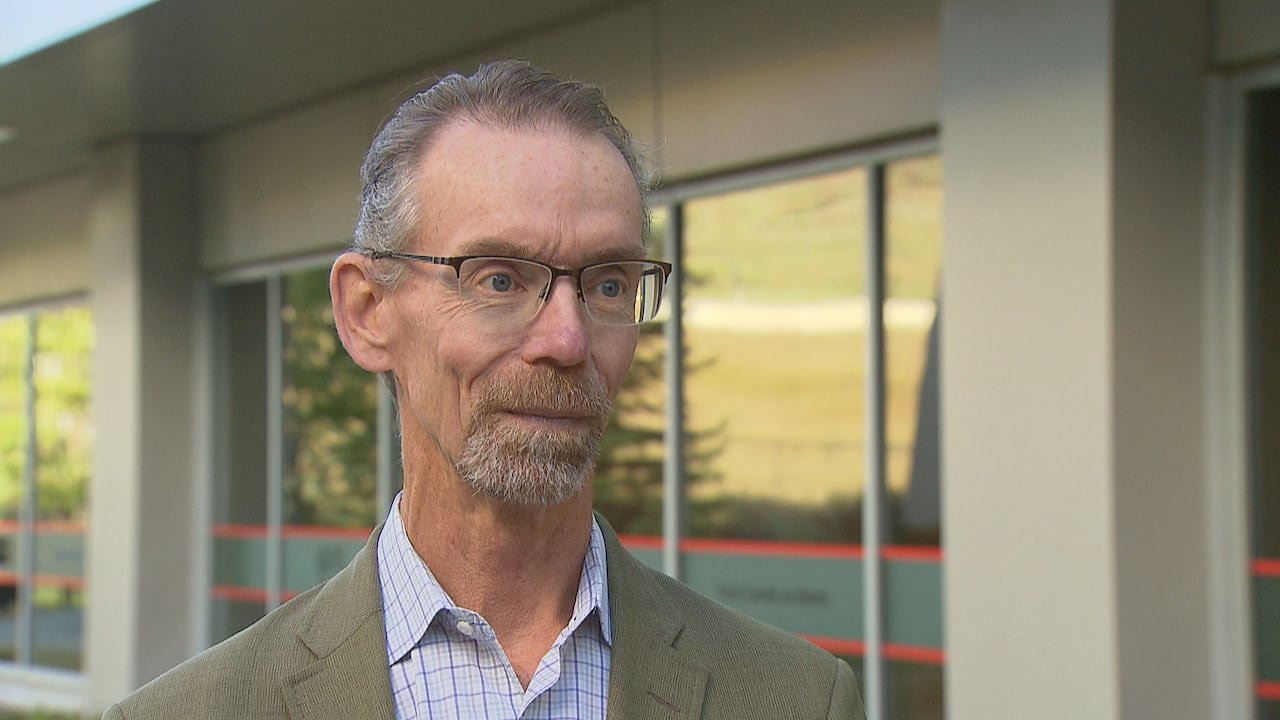
Richard Masson, an executive fellow at the University of Calgary’s School of Public Policy, emphasized that if the project resurfaces, it would essentially need to start from scratch as there is currently no proponent, right of way, or existing pipeline in place.
In 2020, the Alberta government invested approximately $1.5 billion as equity in the Keystone XL pipeline. The total financial commitment from Albertans was finalized at $1.3 billion.
Looking ahead, Masson highlighted that for the project to proceed, it would necessitate explicit financial guarantees from the U.S. government to mitigate risks associated with potential future cancellations.
Adam Legge, the president of the Business Council of Alberta, echoed the need for a fully safeguarded agreement to garner industry support for the project.
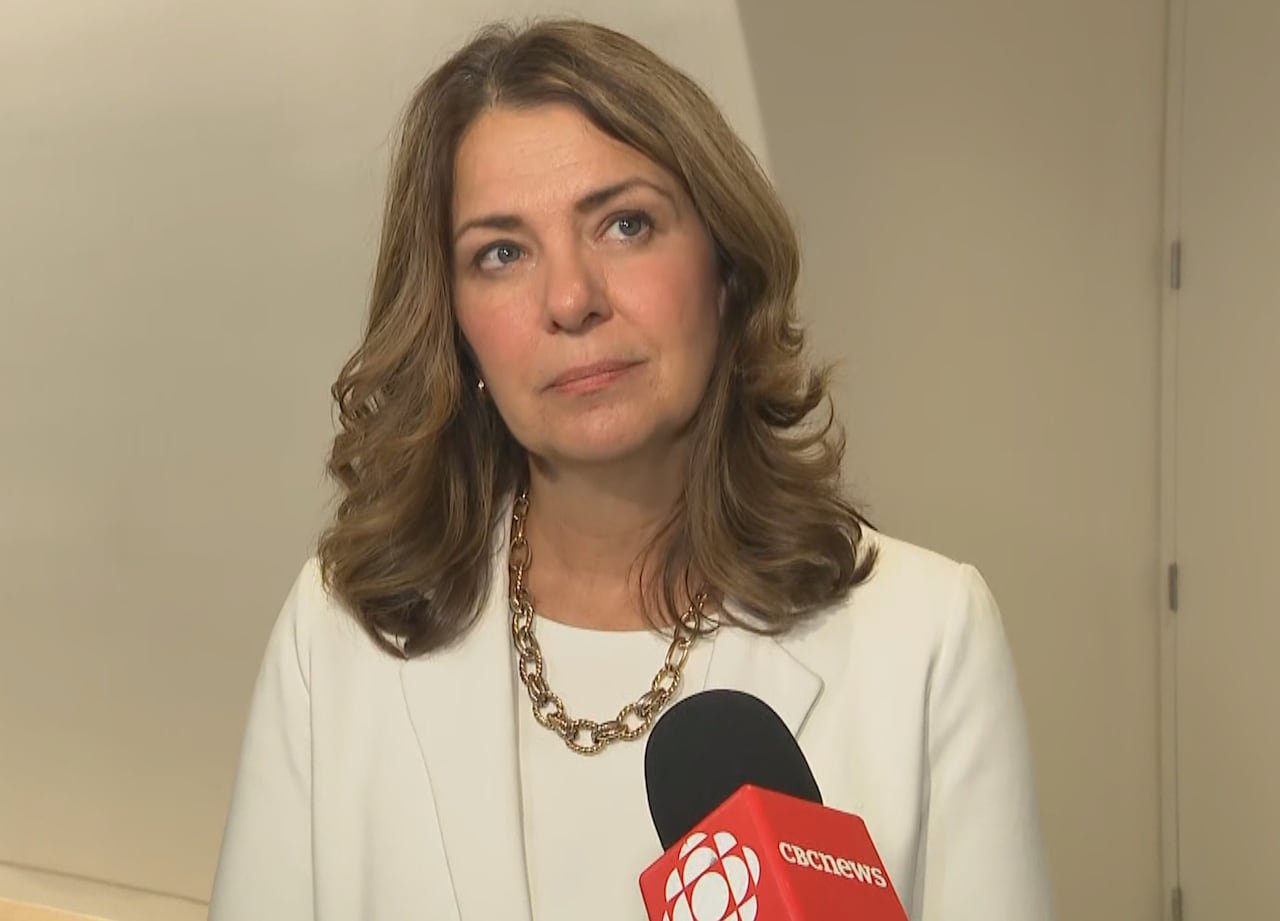
Alberta Premier Danielle Smith emphasized the province’s lobbying efforts in Washington and expressed support for reinvigorating the Keystone XL pipeline, aligning with sentiments from former Premier Jason Kenney and Conservative Leader Pierre Poilievre.
Environmental regulations pose a significant obstacle to finding private backers for the project, according to Heather Exner-Pirot from the Macdonald-Laurier Institute. She highlighted the need for regulatory changes to create a conducive environment for the pipeline’s development.
Moving forward with the Keystone XL pipeline would likely face opposition from environmental groups, including the U.S.-based Natural Resources Defense Council, which maintains its stance against the project.
Continued Energy Partnership
James Coleman, a University of Minnesota law professor specializing in energy law, emphasized the enduring strength of the energy partnership between the U.S. and Canada. However, he highlighted potential legal and political challenges that the Keystone XL project might encounter.