

The Trump administration has acquired ownership stakes in two Canadian companies specializing in critical minerals, a move that experts consider highly unconventional, if not exceptional, and has raised concerns about potential national security implications that may warrant intervention from Ottawa.
Lawrence Herman, an international lawyer and senior fellow at the C.D. Howe Institute, remarked that it is possibly unprecedented for the U.S. government to invest in a Canadian entity. He emphasized the sensitivity of the critical minerals sector, which includes vital resources like lithium, copper, and nickel crucial for modern technology.
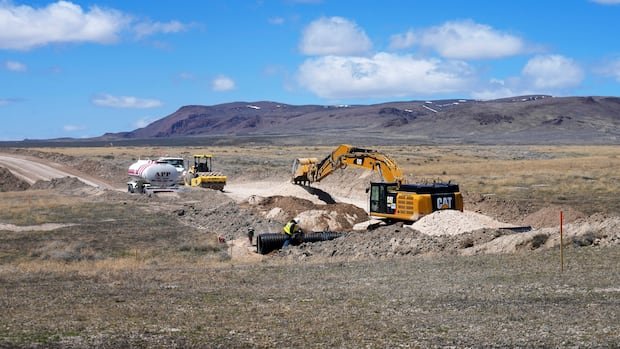
In a recent announcement, the White House disclosed a $35.6 million purchase for a 10% interest in Vancouver-based Trilogy Metals Inc., with a focus on mining operations in Alaska. Additionally, the U.S. government is taking a minority stake in Lithium Americas, a Vancouver-headquartered company developing a major lithium mine in Nevada.
Herman cautioned that such government-backed investments could lead to foreign states influencing company activities and potentially accessing critical technologies and confidential data, contrary to Canadian interests. Given the existing strained relations between the U.S. and Canada, he urged vigilance and suggested a national security review of these investments.
Under the Investment Canada Act, Ottawa has the authority to evaluate foreign government investments, especially in critical sectors like minerals. The guidelines were reinforced in 2022, requiring a clear “net benefit” to Canada for significant state investments in the critical minerals industry, with potential triggers for a national security assessment.
Sandy Walker, co-chair of Dentons Convocation and Foreign Investment Review Group, noted that as the U.S. government’s stakes in the Canadian companies are non-controlling, significant concerns may not arise. However, potential restrictions on mineral exports to the U.S. could pose challenges for Canadian supply chains.
While the Ministry of Innovation, Science and Economic Development Canada affirmed that foreign investments in critical minerals would be scrutinized for the benefit of Canadians, specific details were withheld due to confidentiality provisions. Despite some reservations, legal experts like David Rosner from Goodmans LLP suggested that the current investments may not pose immediate national security threats, as the U.S. government’s holdings are relatively minor.
Rosner highlighted the jurisdictional aspect, noting that the mining assets of the Canadian companies are located in the U.S., which could impact any potential actions by the American government in that regard. He also indicated that past government interventions typically involved non-aligned foreign entities, hinting that the current situation might not warrant immediate concerns about Canada’s alignment with the U.S.
However, the emergence of a trend involving foreign government investments in critical mineral companies could necessitate a new Canadian policy framework to address evolving circumstances and mitigate associated risks, according to Rosner.