
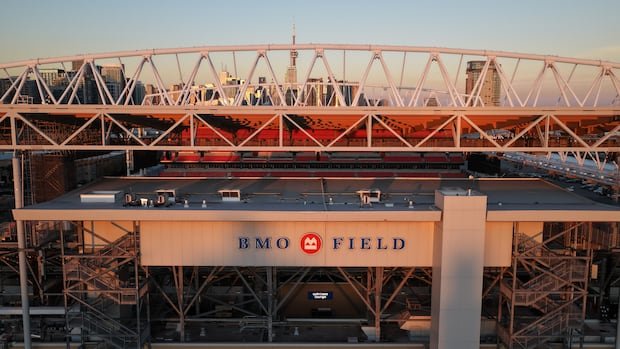

The Greater Toronto Hotel Association has raised concerns about the potential negative impact of a hotel tax increase introduced for Toronto’s FIFA World Cup games next year on overall tourism and travel to the city. The Municipal Accommodation Tax (MAT) saw a 2.5 per cent hike starting in June, with an expected revenue of $56.6 million by next July.
Although the increase may seem modest, Sara Anghel, the president and CEO of the Greater Toronto Hotel Association (GTHA), expressed to CBC Toronto that it could deter some visitors and event organizers from choosing Toronto. Anghel emphasized that higher taxes could diminish the city’s competitiveness against other convention destinations.
Last year, the city council approved a temporary increase of the MAT to 8.5 per cent to cover expenses related to hosting six World Cup matches. This increase took effect on June 1 and will remain until July 31, 2026.
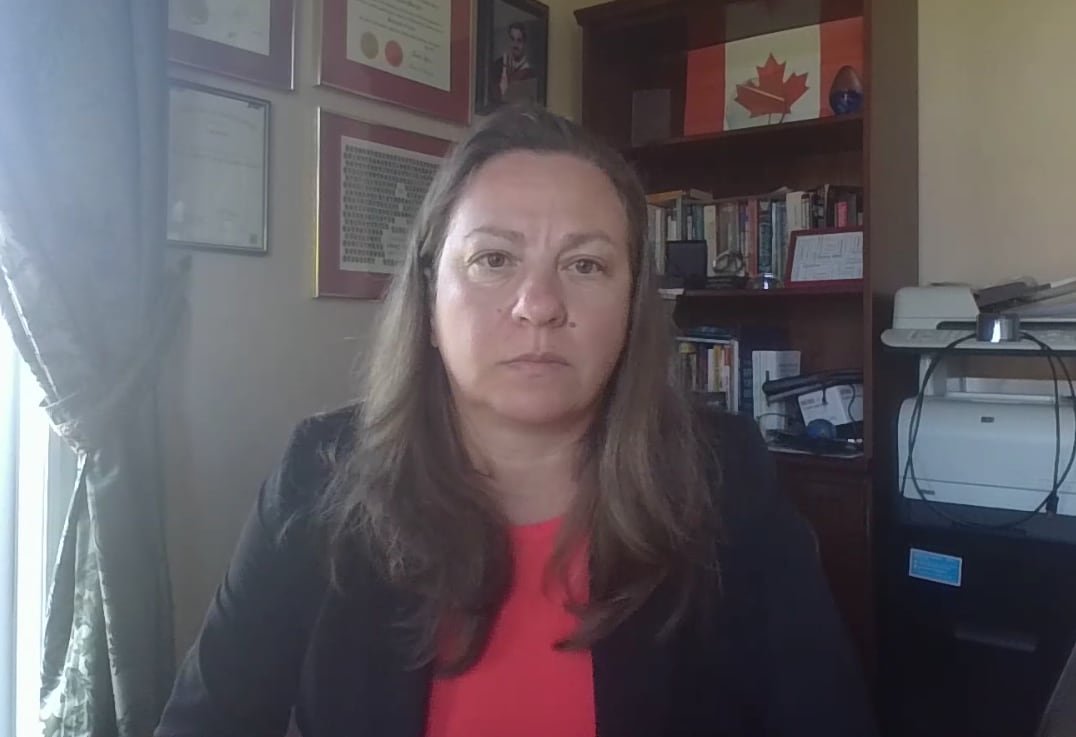
Anghel acknowledged the city’s financial obligations but stressed the considerable nature of the increase. She voiced worries that high taxes coupled with other city challenges like traffic congestion and safety issues could make Toronto less attractive for hosting conventions and large-scale events.
Vancouver adopted a similar approach for its seven FIFA games by implementing a new 2.5 per cent tax on short-term accommodations starting February 2023.
U.S. Host Cities Emphasizing Corporate Sponsorships
Anghel observed that none of the host cities in the U.S. or Mexico had followed suit but instead focused on securing substantial corporate sponsorships and alternative strategies.
Following a busier summer than anticipated and a successful playoff season for the Toronto Blue Jays, Anghel speculated that Toronto hotels might be accumulating funds more rapidly than anticipated.
As a member of the City of Toronto’s FIFA advisory committee, she plans to request a progress report on the funds raised. Anghel suggested that any surplus funds, if achieved ahead of schedule, should be invested in tourism initiatives to promote the city during the tournament.
“Staff continue to monitor the performance of the MAT and should any overperformance occur beyond initial projections, staff may recommend appropriate adjustments or budget allocations through future variance reports or budget processes in consultation with the Mayor, City Council and in consideration of potential [FIFA] requirements and the tourism sector,” stated city spokesperson Elise von Scheel via email.
Despite potential increases in hotel prices, it is unlikely to deter the anticipated thousands of World Cup spectators visiting Toronto next June and July.
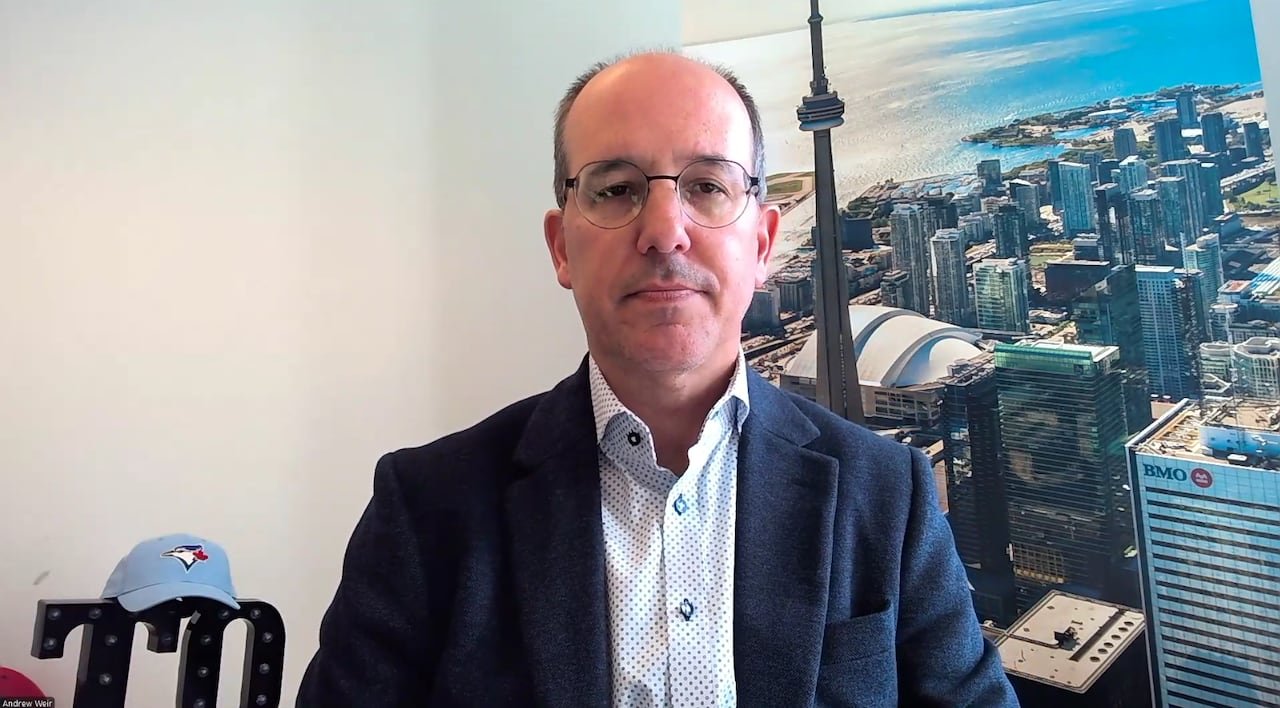
Destination Toronto’s CEO Andrew Weir expressed confidence that these visitors would provide a significant boost to various sectors within the city. He anticipated prolonged stays by attendees, who would engage in games and explore different activities, restaurants, and attractions in Toronto.
Weir further suggested that the World Cup could have a lasting impact by attracting more global visitors to the city. He highlighted the opportunity for Toronto to showcase its vibrancy and energy worldwide during the tournament.
Come December, as FIFA announces the team match-ups in each city, Destination Toronto plans to intensify its tourism promotion efforts in strategic locations to maximize visibility to potential markets.
“[It’s] an opportunity for Toronto really to show the energy and vibrancy of our city and have that seen by millions upon millions of people, especially in markets that we can target once we know which countries are going to be here.”
<a href="https://www.cbc.ca/news/canada/toronto/hotel-tax-fifa-2026-9.6933691" target="_blank"