

Monday brought a mix of emotions for Canadians with ties to Israel and Gaza as a peace agreement was reached, accompanied by the freeing of Israeli captives and Palestinian detainees. While there was a sense of hope, some analysts expressed doubts about the long-term prospects for peace in the area.
Maureen Leshem from Toronto, whose relative Romi Gonen was held captive by Hamas for 15 months, described feeling grateful and relieved, seeing the peace deal as a win for humanity. Louay Alghoul of Winnipeg, who lost numerous family members to Israeli actions in Gaza and has others missing, expressed a blend of happiness for the ceasefire and skepticism about lasting peace.
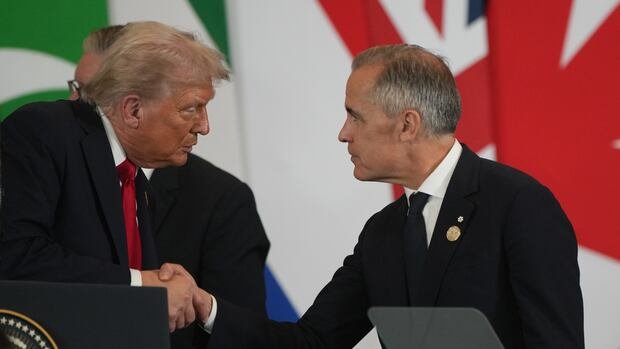
U.S. President Donald Trump attended a summit in Egypt after signing the document that formally ended the two-year conflict in Gaza. The event was attended by numerous world leaders, including Prime Minister Mark Carney, who hailed it as a historic moment offering hope for both Palestinians and Israelis.
Despite the positive reception, some, like Alghoul, remain cautious, citing concerns about the involvement of all stakeholders in the peace process. Nader Hashemi, an expert in Middle East politics, emphasized the need for Palestinian inclusion for a sustainable peace agreement.
While the peace deal has been celebrated, skepticism remains about its effectiveness in the long term. Experts like Hashemi question the sustainability of the agreement and its ability to address the root causes of the conflict. The road to lasting peace, they argue, may require a more inclusive and comprehensive approach.
As the international community pushes for a two-state solution, disagreements persist, particularly with Israeli Prime Minister Benjamin Netanyahu’s stance. With concerns about the implementation and sustainability of the peace plan, experts emphasize the need for a clear strategy moving forward and adherence to international law to ensure a lasting resolution.