

The Vatican’s child protection commission issued its annual report, criticizing senior Catholic leaders for not acting swiftly to assist victims of clergy sexual abuse and implement global safeguarding measures. The Catholic Church, with 1.4 billion members, has faced scandals worldwide involving abuse and cover-ups, tarnishing its reputation and resulting in significant financial losses. The report highlighted church leaders’ failure to provide victims with updates on how abuse reports were handled or if negligent bishops faced consequences. It also noted the commission’s struggles in obtaining information on safeguarding protocols and highlighted the lack of cooperation from the Italian church in providing necessary details.
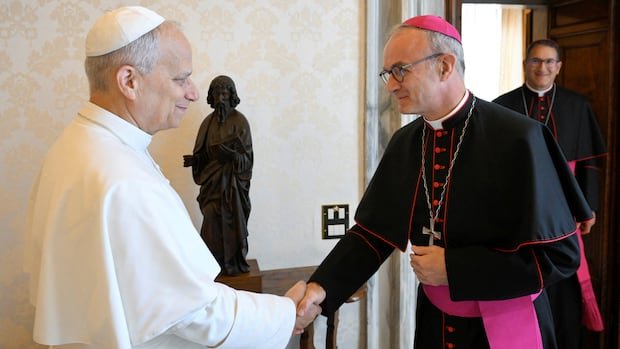
According to the report, victims often felt that the church responded with inadequate settlements and insincere gestures, showing a reluctance to engage with them in a meaningful way. Established by Pope Francis in 2014, the commission faced internal turmoil with several resignations before releasing its first annual report last year. The newly appointed Pope Leo XIV has been actively involved with the commission and appointed Archbishop Thibault Verny of France as its new president.
The comprehensive 103-page report for 2024 focused on reparations for abuse victims and assessed safeguarding efforts in 22 countries and a key Vatican department responsible for overseeing church operations in developing nations. Criticisms were directed at the Dicastery for Evangelization, highlighting its limited staff dedicated to safeguarding issues and organizational challenges leading to delays in addressing abuse cases. Italy, known for its Catholic stronghold, received criticism for its bishops’ lack of collaboration with the commission, with only 81 out of 226 dioceses responding to a safeguarding questionnaire, contrasting with South Korea’s full participation.
The report also pointed out the Vatican’s lack of transparency in disclosing reasons for removing bishops linked to abuse or cover-ups. The commission stressed the need for public communication regarding the circumstances of bishops’ resignations or removals related to abuse or negligence. It highlighted the inadequate resources available for abuse survivors in Central and South America, Africa, and Asia. Pope Francis had initiated global reporting systems for abuse suspicions and emphasized a zero-tolerance policy for accused priests, although further actions have been urged by survivors and advocates.