
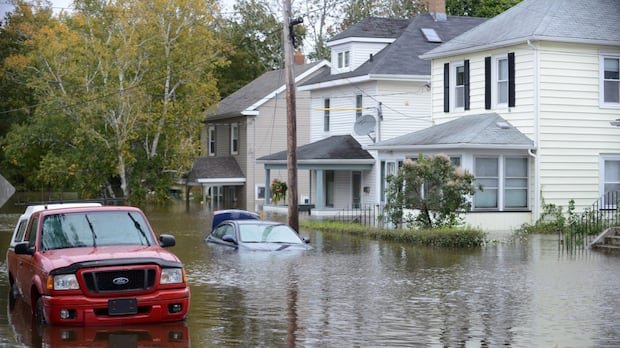

A researcher from Dalhousie University is seeking to connect with individuals in Atlantic Canada who have relocated due to climate-related risks or impacts. Robin Willcocks-Musselman, a PhD student in Dalhousie’s interdisciplinary program, is exploring the challenges faced by those who move and how their emotional ties to a specific location influence their experience.
Willcocks-Musselman highlights the lack of research on the emotional and psychological effects of relocation, emphasizing the stress, trauma, and feelings of loss that can arise when attachments to a place are disrupted. Understanding these impacts could potentially aid in mitigating negative effects on mental health and well-being during the relocation process.
The global scientific consensus confirms that human activities have significantly contributed to climate change, leading to more frequent and severe weather events that increase susceptibility to hazards like floods, fires, and heatwaves. In Atlantic Canada, communities along the St. John River in New Brunswick, neighborhoods in Sydney, N.S., impacted by flooding, and homes lost in Port aux Basques, N.L., due to post-tropical storm Fiona are examples of areas where climate-related relocations have occurred.
Forced relocations following disasters or government mandates, as well as voluntary moves due to acknowledged risks, are common in climate-affected regions. Terry Drohan, who had to move from his home in Sydney after extensive flood damage, describes the traumatic experience of displacement, emphasizing the emotional toll beyond practical concerns like securing new accommodations and dealing with insurance matters.
In the aftermath of the flood, Drohan found himself grappling with loss and uncertainty, feeling the impact of leaving behind a close-knit neighborhood where social connections were strong. Despite initial efforts to stay in touch with former neighbors, the sense of community gradually faded as people dispersed.
Willcocks-Musselman’s research aims to identify strategies that policymakers can implement to support individuals relocating due to climate risks. Suggestions include offering counseling services and access to navigators to assist with logistical challenges such as insurance claims, legal matters, and financial issues.
Individuals aged 19 and above residing in Atlantic Canada who have permanently relocated due to climate-related risks are invited to participate in the study. The study involves online or phone interviews as well as in-person discussions. Participants have expressed gratitude for the opportunity to share their experiences, acknowledging the emotional and mental challenges associated with relocation.
To take part in the study, interested individuals can contact Robin Willcocks-Musselman at rwillcoc@dal.ca.