
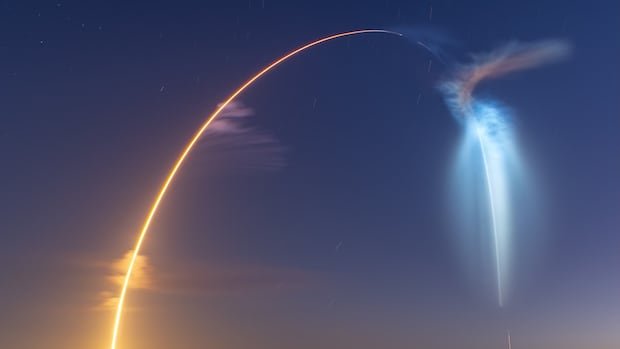

A significant portion of the human population tends to focus on short-term thinking rather than long-term considerations such as air pollution, deforestation, and emissions. This trend is a cause for concern among scientists regarding a recent proposal by SpaceX to deploy one million satellites, essentially data centers, into Earth’s orbit. The potential impacts range from obscuring the natural night sky to disrupting access to space and affecting the environment.
Currently, there are approximately 16,000 satellites orbiting Earth, with SpaceX accounting for over 8,000 of them. SpaceX’s frequent satellite launches, averaging more than two dozen satellites biweekly, contribute to the dynamic nature of the satellite count in orbit.
The proposed Starlink satellites aim to offer global internet connectivity, even in remote areas. However, the growing number of satellites, combined with the existing space debris of over 140 million pieces, poses risks to both astronauts and crucial satellite systems like GPS due to potential collisions.
Concerns arise regarding the impact of rocket launches on the atmosphere, introducing black carbon and soot that could lead to warming effects and ozone layer threats. The long-term consequences of depositing pollutants directly into the atmosphere through launches, as well as the metal residue left during satellite reentries, raise uncertainties among researchers.
SpaceX’s proposal to the FCC for a million satellites emphasizes minimizing environmental impacts by utilizing solar energy and heliocentric orbits. However, the sheer quantity of satellites and their potential reentries pose challenges, with estimates suggesting a satellite reentry every three minutes if deorbited.
The proliferation of satellites not only poses collision risks and threatens observatories but also alters the night sky, impacting cultural, religious, and scientific observations. Efforts to reduce satellite brightness in collaboration with astronomical organizations have faced skepticism following the ambitious satellite deployment plans.
While SpaceX is not alone in proposing extensive satellite launches, the cumulative proposals from various entities could lead to a significant increase in orbital objects, affecting global visibility of the night sky and necessitating global awareness of the impacts of satellite constellations.