
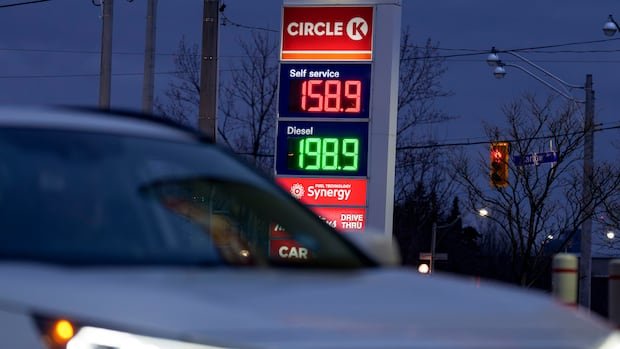

Oil prices surged to $100 per barrel as the U.S.-Israeli conflict with Iran showed no signs of abating, leading to a global stock market downturn on Thursday. The S&P 500 dropped 1.5%, while the Dow Jones Industrial Average and Nasdaq composite both experienced declines. Brent crude prices reached $101.59 per barrel, causing concerns about oil production disruptions in the Persian Gulf and the potential for widespread inflation.
Iran’s attacks on oil facilities and refineries in Gulf Arab countries, along with the blockage of the vital Strait of Hormuz, have heightened fears of prolonged oil supply disruptions. In response, the International Energy Agency (IEA) announced its largest-ever release of emergency oil reserves, totaling 400 million barrels. The U.S. also planned to release 172 million barrels from its Strategic Petroleum Reserve to counter escalating prices.
Energy ministers from the Group of Seven countries convened in Paris to address the situation, but ongoing uncertainty continued to fuel speculation of further price increases. Analysts warned of continued volatility in oil markets due to the lack of clarity on de-escalation timelines and the reopening of the Strait of Hormuz, with the potential for prices to spike to $140 per barrel.
Since the conflict began on February 28, oil price fluctuations have roiled global financial markets, creating instability and uncertainty. The situation has put pressure on economies worldwide, with concerns about inflationary pressures mounting. In European markets, major indices remained relatively stable, while Asian markets experienced declines. Currency markets also saw fluctuations, with the U.S. dollar weakening against the Japanese yen and the euro.