

The United States successfully prevented the implementation of a global tax on shipping emissions as an international maritime meeting concluded on Friday without enacting any regulations. During the meeting, major maritime nations discussed measures to transition the shipping industry away from fossil fuels to reduce emissions. However, opposition from U.S. President Donald Trump, Saudi Arabia, and other countries thwarted the proposal for a global levy on shipping emissions.
President Trump, along with Saudi Arabia, mobilized against the tax and urged countries to vote against it at the International Maritime Organization (IMO) headquarters in London. The U.S. warned of retaliatory actions if other nations supported the fee. Saudi Arabia proposed adjourning the meeting for a year, a motion that received backing from more than half of the participating countries.
Ralph Regenvanu, the climate change minister of Vanuatu, expressed disappointment over the decision, emphasizing the urgency in addressing climate change. The proposed green shipping regulations aimed to impose a global fee on greenhouse gas emissions from shipping for the first time. Presently, most ships rely on heavy fuel oil, emitting carbon dioxide and other pollutants during combustion.
The delay in adopting the regulations has left the shipping industry in uncertainty. However, it has also highlighted a global commitment to cleaning up the sector despite opposition from the U.S. Alison Shaw, the IMO manager at Transport & Environment, noted the clear intent to enhance environmental standards in shipping.
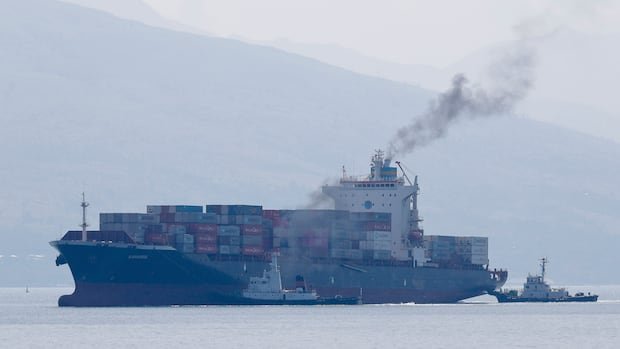
Shipping emissions have been on the rise, constituting about three percent of global emissions due to increased trade activities and the heavy use of fossil fuels by vessels. The IMO member states had previously agreed on a regulatory framework in April, with the aim of finalizing the “Net-Zero Framework” at the London meeting. The postponement of the decision jeopardizes the framework’s objectives and undermines efforts for multilateral cooperation on climate goals.
The proposed regulations included a marine fuel standard to reduce greenhouse gas emissions gradually and establish a pricing mechanism to levy fees on excess emissions. The IMO has set a target for the shipping sector to achieve net-zero greenhouse gas emissions by around 2050 and promote the use of zero or low-emission fuels. Advocates like Anaïs Rios, a shipping policy officer for Seas At Risk, emphasized the need for countries to reaffirm their commitment to these regulations for the sake of the environment and the future of the shipping industry.