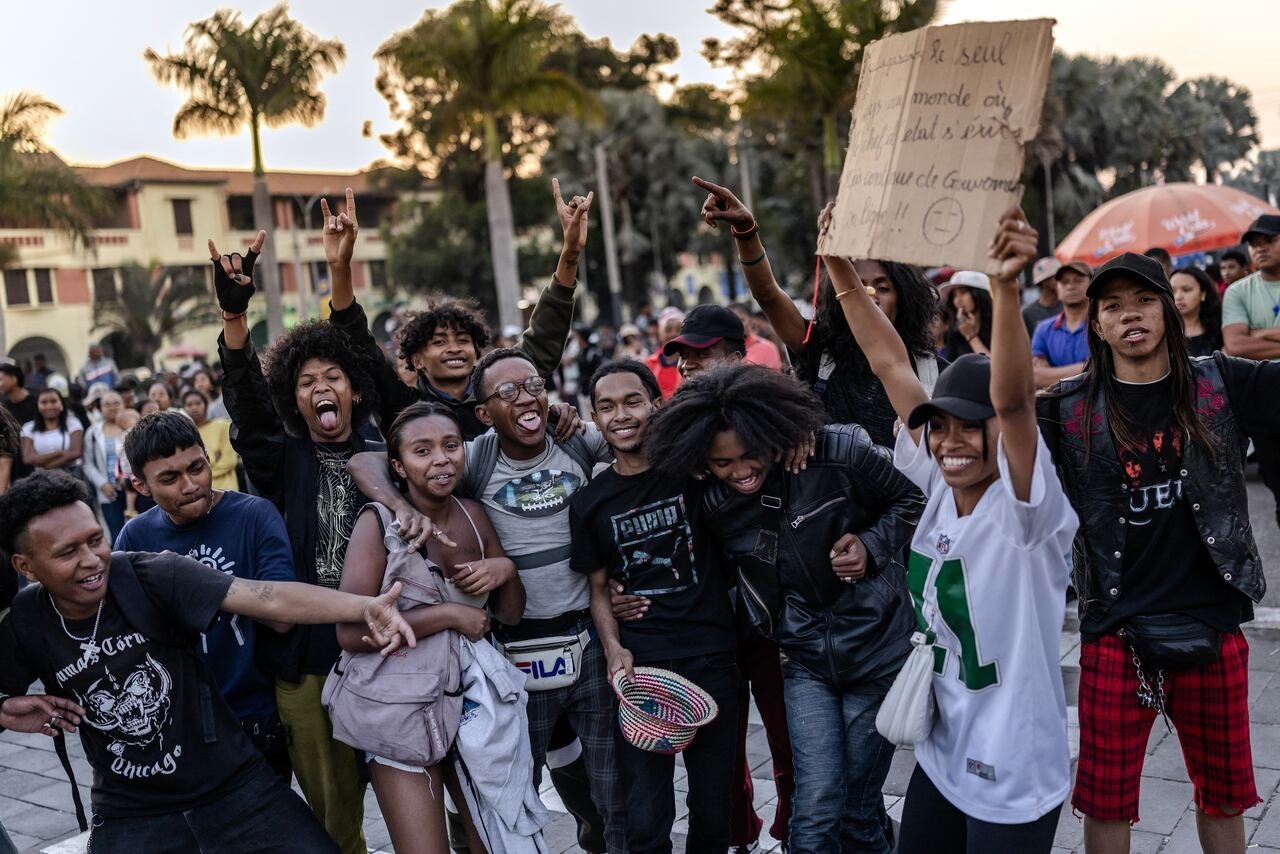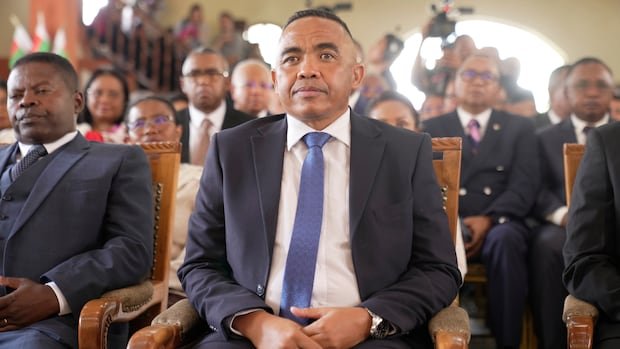

A military colonel who orchestrated a coup has been inaugurated as the new leader of Madagascar in a swift power transition that ousted the former president, forcing him to flee the country and go into hiding.
Colonel Michael Randrianirina, the leader of an elite army unit, was sworn in as the new president during a ceremony held at the main chamber of the nation’s High Constitutional Court in the presence of its nine robed judges.
Randrianirina assumed the presidency just three days after declaring that the armed forces were taking control of the Indian Ocean island with a population of approximately 30 million people.
While the United Nations criticized the military takeover as an unconstitutional change of government, there has been limited response from other countries, including France, which was Madagascar’s former colonial ruler.
Following three weeks of protests primarily led by young people against the government, Madagascar was suspended from the African Union due to the coup.
The whereabouts of former President Andry Rajoelina remain unknown after he departed the country, citing safety concerns amid the rebellion led by soldiers loyal to Randrianirina. Reports indicate that he escaped on a French military aircraft.
Rajoelina was impeached by parliament in his absence shortly before the colonel announced the military’s assumption of power.
Previous Incarceration
Randrianirina, estimated to be around 50 or 51 years old, traded his military uniform for a suit and tie during the inauguration ceremony, attended by military officials, civilian authorities, and foreign diplomats. He took his oath surrounded by ceremonial military guards of honor.
The colonel, who rose from obscurity to lead the rebellion of his CAPSAT military unit less than a week ago, had a brief stint in prison two years ago for his involvement in an attempted mutiny. He claimed to have spent most of his three-month detention between late 2023 and early 2024 at a military hospital.
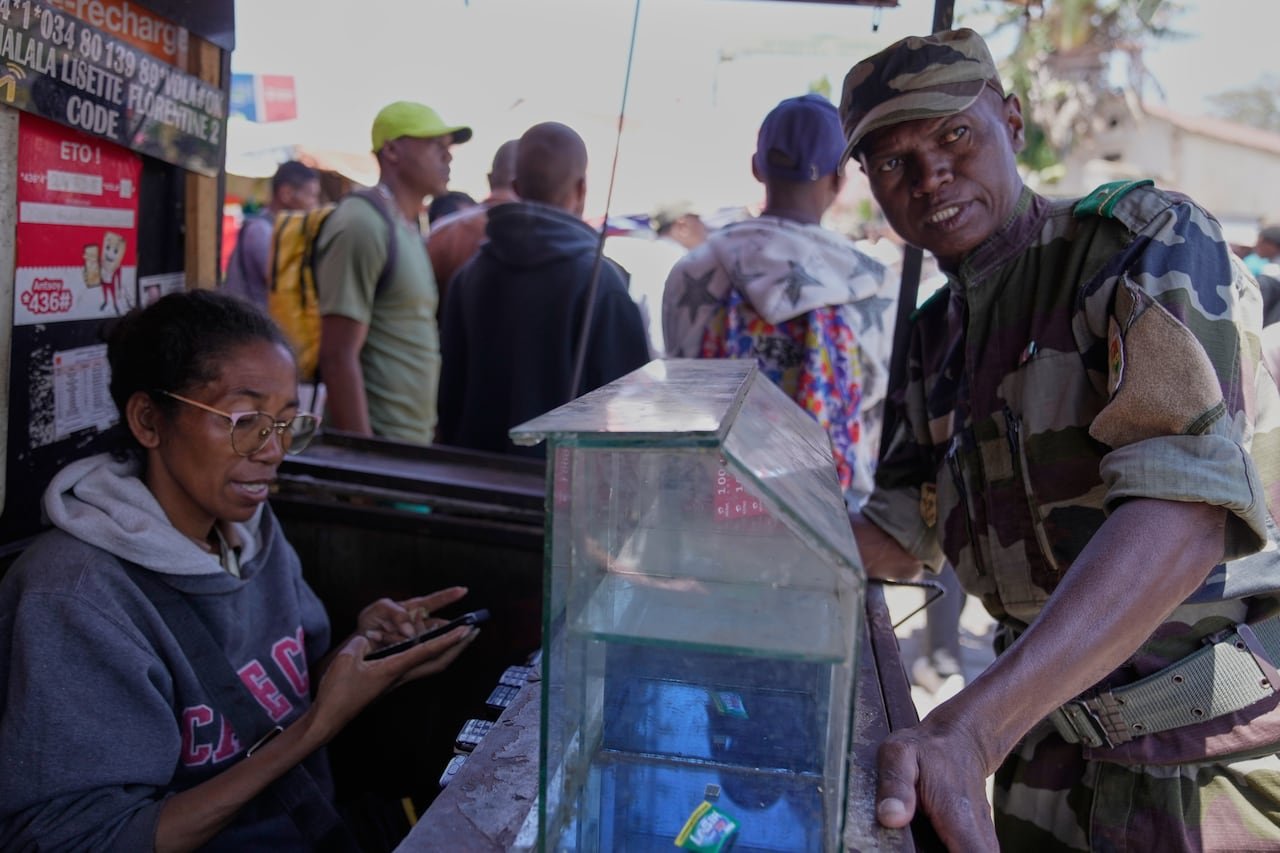
Madagascar grapples with high poverty rates affecting around 75% of the population, as reported by the World Bank. The country, a former French colony, has a history of political instability marked by numerous coups and attempted coups since gaining independence in 1960.
According to the World Bank, the GDP per capita in Madagascar nearly halved between 1960 and 2020. The country has also witnessed a surge in corruption, dropping from 118th to 140th place in Transparency International’s corruption index.
Rajoelina came to power in 2009 following a military-backed coup and now Randrianirina has announced that a military council will govern Madagascar with him as president for an interim period of 18 to 24 months before any new elections, prolonging the wait for young activists who initiated the protests against Rajoelina.
Rajoelina’s office criticized the High Constitutional Court’s invitation to Randrianirina to assume the presidency, claiming irregularities and alleging that some judges were coerced.
Limited Violence Post-Takeover
The protests, which started last month, echo similar youth-led uprisings in countries like Nepal, Sri Lanka, and others. Initially triggered by water and power shortages, the demonstrations evolved to address broader issues such as living costs, lack of opportunities, and alleged corruption and nepotism among the elite.
Randrianirina capitalized on the momentum by joining the anti-government protests last weekend, resulting in a brief confrontation between his troops and gendarmerie forces loyal to Rajoelina, leading to the death of a CAPSAT soldier, according to the colonel.