
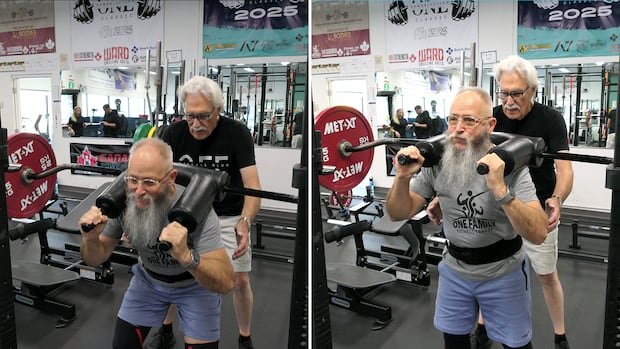

Ken Martens, aged 79, prepares for his workout by applying chalk to his hands. He engages in a deadlift of 230 lbs and benches approximately 120 lbs. Despite a near-fatal experience last year, where he faced multiple blackouts and falls, Martens was rushed to the hospital in February 2024, revealing heart failure. Following the installation of a pacemaker that constantly regulates his heart through electrical impulses, he has been actively participating in fitness routines at Winnipeg’s One Family Fitness Centre, experiencing a significant transformation in his well-being.
Recent findings from a Canadian study published in the peer-reviewed journal PLOS One indicate that Martens’ recovery is not uncommon among older individuals facing health challenges. Co-author Esme Fuller-Thomson, a professor and director at the University of Toronto’s Institute for Life Course and Aging, highlights that a substantial proportion of older adults can regain optimal health despite initial setbacks.
The study, tracking over 8,300 elderly Canadians with various health conditions over three years, underscores the positive impact of physical activity, social connections, and psychological well-being on bouncing back from health crises. Mabel Ho, a co-author and research affiliate at the University of Toronto’s Faculty of Social Work, emphasizes the study’s encouragement for individuals to take proactive steps at any age to enhance their health and overall quality of life.
Furthermore, researchers stress the crucial role of social and psychological well-being in the recovery process for older adults, with strong interpersonal relationships significantly influencing resilience. The prevalence of loneliness among older individuals, particularly among retirees and widowed individuals, poses a significant concern. The study highlights the importance of a supportive social network in aiding recovery post-health challenges.
Individuals like Greg Karman, 63, who recently lost his spouse after retirement, exemplify the importance of community support during difficult times. Engaging in physical activities like weightlifting at the gym, combined with social interactions, has been instrumental in Karman’s healing journey. The support from the gym community has played a pivotal role in his emotional recovery.
Moreover, the study underscores the effectiveness of psychological interventions such as cognitive behavioral therapy in addressing mental health issues prevalent among older adults, including depression, anxiety, and insomnia. Dr. Samir Sinha, a geriatrician at Sinai Health in Toronto, emphasizes the resilience older individuals can exhibit in their recovery journey, irrespective of age. As Thanksgiving approaches, Sinha encourages checking in on elderly loved ones to provide support and reassurance, fostering a sense of community and well-being.
In conclusion, the study’s findings highlight the importance of holistic well-being, physical activity, and social connections in promoting recovery and resilience among older individuals facing health challenges.