

Astronaut health has been a significant concern within the space program since its inception. Various effects such as motion sickness, disorientation, muscle atrophy, and bone loss have been observed in all astronauts who have ventured beyond Earth’s atmosphere. NASA has developed methods to address many of these conditions through medication and rigorous exercise while in space. However, potential serious health issues could pose challenges for longer missions to destinations like the moon and Mars. Scientists are actively researching to gain a better understanding of the health risks that long-distance astronauts may encounter and how to effectively manage them.
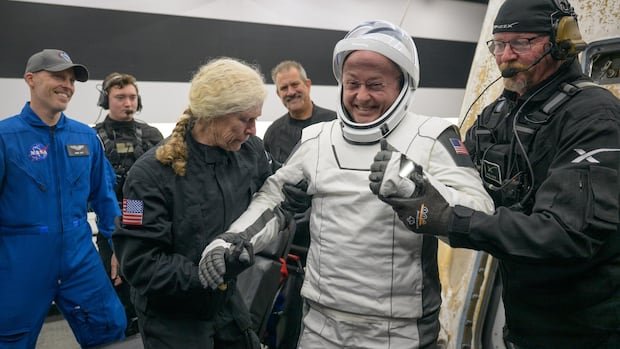
Although serious health complications in space are rare, a notable incident occurred in January 2026 when astronaut Mike Finke experienced a non-life-threatening medical issue, leading to the first medical evacuation in the 25-year history of the International Space Station. While the exact cause of the emergency has not been disclosed for privacy reasons, Finke has reported a successful recovery.
Close calls and medical emergencies in space are carefully analyzed to enhance our knowledge of how microgravity impacts human health. Researchers, including a scientist from Simon Fraser University, have been investigating blood clot formation in microgravity following a previous case involving an unnamed female astronaut who developed a blood clot in her neck during a mission in 2019. Prompt action from ground and space teams enabled the development of a treatment plan to address the issue effectively.
Studies have shown that blood clots formed in microgravity exhibit greater strength and resilience compared to those formed under normal gravity conditions. Research efforts have extended to studying potential sex differences in blood clotting responses to microgravity environments.
Astronauts utilize portable ultrasound devices for routine health checks aboard the space station. However, due to limitations on equipment transport to space, astronauts may have restricted options for addressing medical issues once identified.
The weightless environment in space can lead to various health challenges, including blood clot formation and vision changes. Conditions like Space-Associated Neuro-Ocular Syndrome (SANS) have been identified, affecting astronauts’ vision due to pressure changes in the optic nerve.
Injuries are common in space, with musculoskeletal issues frequently reported among astronauts. Exercise, essential for maintaining health in space, can also pose injury risks.
While the International Space Station is equipped with medical supplies and instruments akin to a hospital emergency department, certain conditions necessitating surgical interventions cannot be managed effectively in space. Surgical procedures requiring open incisions would require immediate return to Earth for treatment.
NASA is actively developing the Earth-Independent Medical Operations (EIMO) strategy to enhance medical care for future missions to distant destinations like the moon and Mars. Autonomous health management systems are being designed to enable astronauts to address health issues independently, considering the challenges of prolonged missions and communication delays.
Preventative measures and early health screenings will be crucial for ensuring astronauts’ well-being on extended space missions. Despite rigorous preparations, the possibility of sudden medical emergencies or fatal injuries remains, prompting NASA to have detailed protocols in place, including procedures for managing fatalities in space.
The hope is that such tragic scenarios never come to pass, emphasizing the importance of prioritizing astronaut health and safety in all space exploration endeavors.