

Paleontologist Riley Black was unsurprised when she discovered that numerous scientists in her field were linked to the Epstein files, which exposed the connections of the late financier Jeffrey Epstein with not only influential figures but also hundreds of scientists, some of whom continued to receive funding from him post his 2008 conviction. This revelation has deeply unsettled the paleontology community, with women in the field highlighting broader issues of misogyny and power imbalances.
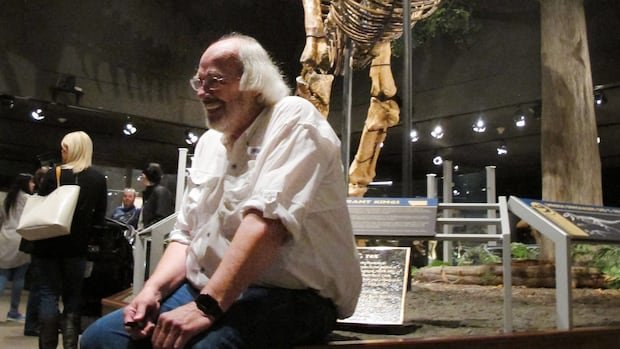
Notable names in paleontology, including Jack Horner, a renowned dinosaur researcher, have come under scrutiny for their associations with Epstein. Horner’s ties led to his separation from Chapman University after it was disclosed that he sought funding from Epstein and engaged in activities with him. Despite denying any wrongdoing, Horner’s reputation has been tarnished.
The Society of Vertebrate Paleontology (SVP) President, Stuart Sumida, pointed out that the challenging nature of securing funding for scientific research often makes scientists susceptible to accepting support from individuals like Epstein. The billionaire’s keen interest in evolutionary sciences and dinosaur fossils attracted many researchers to collaborate with him.
The fallout from the Epstein files has prompted introspection within the paleontology community, with organizations like the SVP acknowledging the presence of their members in the documents but emphasizing that appearing in them does not imply misconduct. DinoCon, a private paleontology convention, took a strict stance by vowing to ban individuals allegedly involved with Epstein post his conviction.
Women in paleontology stress that the discussion surrounding the Epstein scandal underscores deeper concerns about power dynamics and safety within the male-dominated field. They face challenges such as predatory behavior at remote field sites and reluctance to report misconduct due to the prioritization of famous male scientists by institutions.
Jessica Theodor, a paleontologist at the University of Calgary, highlighted the difficulties women face when raising misconduct allegations, including threats of lawsuits and career repercussions. Efforts have been made to address these issues, such as revising ethics codes and implementing reporting mechanisms within the SVP to create a safer environment for all members.
Despite the revelations, accountability in the field remains scarce, with individuals like Nathan Myhrvold, who had frequent interactions with Epstein, continuing to fund research projects. Theodor emphasized the importance of addressing these issues to safeguard the future of paleontology and ensure a conducive and inclusive environment within the discipline.