
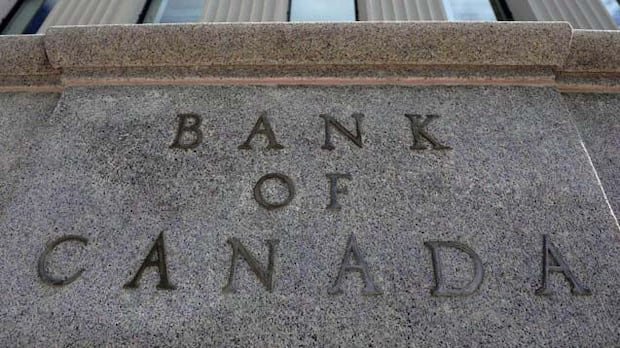

The Bank of Canada opted to maintain its key interest rate at 2.25 percent on Wednesday, citing the potential global inflationary impact of increased oil and gas prices stemming from the conflict in the Middle East. The bank anticipates modest economic growth amid uncertainties surrounding U.S. trade policies, with near-term growth likely to fall short of initial projections for the year.
During a press briefing in Ottawa, Bank of Canada governor Tiff Macklem highlighted the heightened volatility in Canada due to the ongoing war in Iran, adding a fresh layer of uncertainty. The governor noted that while Canada has maintained inflation close to the two percent target for over a year, the surge in oil prices prompted by the conflict in Iran is expected to drive up inflation in the short run.
Macklem acknowledged the dilemma faced by the bank, where raising interest rates to curb inflation could further weaken the economy, while reducing rates to stimulate growth might push inflation beyond the central bank’s desired level. Economists, including Avery Shenfeld of CIBC Capital Markets, noted that the bank did not signal any debate regarding a rate cut or hike at present, emphasizing the uncertainty surrounding the duration of the energy price shock.
The Bank of Canada emphasized that it is premature to gauge the impact of the Middle East conflict on the Canadian economy, underscoring the need for ongoing assessment of both the war and the effects of U.S. trade policies. The next interest rate decision and the release of the Monetary Policy Report by the Bank of Canada are scheduled for April 29.