

Five days prior to the upcoming inauguration of the new president, Justin Trudeau called together the premiers in Ottawa to discuss the imminent crisis. Following the meeting, Trudeau expressed that they had a common purpose, understanding, and commitment to moving forward together. Ontario Premier Doug Ford, seated beside Trudeau, described the approach as a unified “Team Canada.”
While the assembled first ministers did not see eye to eye on every issue, Alberta Premier Danielle Smith notably opposed considering a surcharge on oil exports to the U.S. However, Ford highlighted the positive aspect of diverse political parties engaging in robust conversations and finding unity, contrasting it with the divisive nature of U.S. politics.
However, nearly nine months later, cracks in this unity have started to show. British Columbia Premier David Eby emphasized the need for equal attention to the softwood lumber industry, akin to Ontario’s auto sector. Conversely, Canada’s largest union leader suggested that the auto industry was playing second fiddle to the steel and aluminum sectors.
Moreover, Manitoba Premier Wab Kinew and Saskatchewan Premier Scott Moe urged the federal government to remove tariffs on electric vehicles from China to prompt a reciprocal action on canola tariffs by China. In contrast, Ford vehemently opposed lifting the tariff on Chinese EVs due to concerns about its impact on domestic vehicle production.
In a different scenario, Eby questioned the rationale behind Smith’s support for a pipeline in northern B.C., leading to a heated exchange where Smith labeled Eby’s criticism as un-Canadian. Meanwhile, Ford criticized the federal government’s negotiation tactics with the U.S., advocating for stronger responses to American tariffs.
The public disagreements among the premiers reflect the diverse interests within the nation. While it is natural for leaders to advocate for their constituents, these divisions could potentially weaken Canada’s stance in negotiations with the U.S. Ford’s suggestion for more frequent meetings among the first ministers indicates a need for enhanced collaboration to address the challenges effectively.
Lana Payne, Unifor’s national president, highlighted the growing divide among provinces and sectors, emphasizing the necessity for a unified approach to resolve conflicts and align interests. Establishing communication channels and fostering collaboration can help build trust and mitigate public disputes.
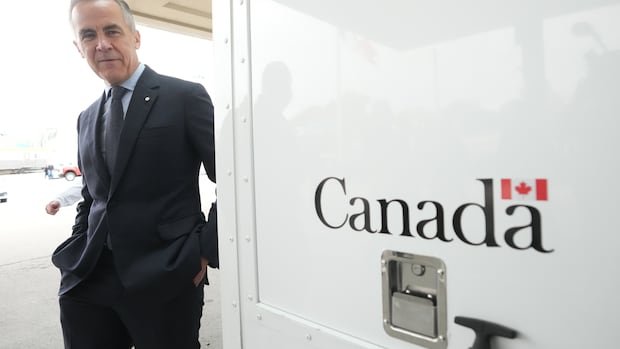
The primary responsibility of a prime minister is often seen as maintaining national unity, particularly crucial in times of external threats. The current pressure from trade conflicts underscores the importance of leaders at all levels working cohesively. A united front among Canada’s leaders can facilitate Prime Minister Carney’s efforts in negotiating with the U.S. and restructuring the Canadian economy to adapt to changing global dynamics.