
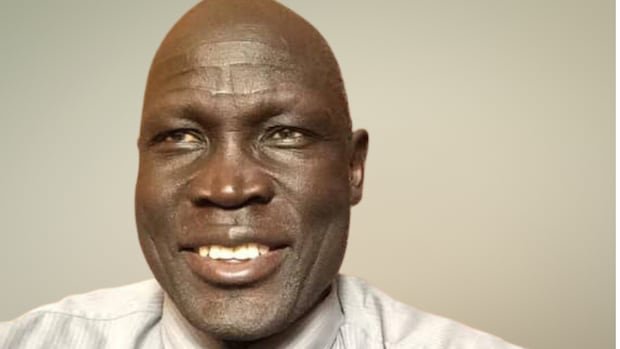

Peter Pal Jola’s daughter, Nyarieni Pal, revealed that her father traveled from Kitchener, Ont., to Ethiopia in March on a brief mission to distribute supplies. However, the 67-year-old Canadian national never left the airport upon arrival.
According to Nyarieni Pal, Jola intended to provide aid to individuals in his hometown in South Sudan, a region afflicted by ongoing conflict and hunger. Among the supplies were a few walkie-talkies that Jola had purchased online from Amazon. Regrettably, the possession of these devices, which are restricted in Ethiopia, led to Jola facing three charges of importing military equipment, with each charge carrying a potential 10-year prison sentence.
Initially, Jola was informed that he could leave the walkie-talkies at the airport to retrieve them later on his return to Canada. However, the situation changed swiftly when authorities discovered his intention to transport the devices to the South Sudanese border. Nyarieni Pal expressed frustration, emphasizing that her father’s sole motive was to assist individuals affected by the conflict who needed a means of communication to reconnect with loved ones.
Jola is currently detained at Kaliti maximum-security prison in Addis Ababa, Ethiopia’s capital, where inmates are responsible for funding their basic necessities, including medication. Nyarieni Pal highlighted her father’s health challenges, such as diabetes, a suspected kidney tumor, and mobility issues following a previous car accident.
Despite Canadian Embassy officials visiting Jola multiple times, Nyarieni Pal expressed disappointment in the limited support they can offer within the judicial system. She stressed the financial burden of providing for her father’s essential needs while advocating for more proactive intervention from the Canadian government.
Aaron Shull, the managing director and general counsel at the Centre for International Governance Innovation, acknowledged the constraints faced by the Canadian government in such situations. He explained that while advocating and providing consular support are viable actions, compelling a release is beyond their authority.
Ethiopia’s regulations prohibit the import of certain items, including walkie-talkies, as stipulated in the country’s equipment control list. Despite disagreements with these laws, Shull emphasized the necessity of abiding by local regulations and the limitations they impose on external interventions.
In an effort to secure Jola’s release, Nyarieni Pal stressed the importance of obtaining a letter of support from the Canadian government addressed to Ethiopian authorities. Additionally, the family initiated a GoFundMe campaign to cover legal expenses, seeking broader awareness and assistance for their predicament.
Global Affairs Canada acknowledged the situation, providing consular aid to the family while refraining from specific comments due to privacy concerns. Nyarieni Pal urged the Canadian government to prioritize their case and questioned how a higher-ranking official’s detainment would be handled in comparison.
As Jola awaits his upcoming court appearance, his family remains hopeful for a positive resolution, underscoring the necessity of continued support and diplomatic efforts to navigate the complexities of his detainment in Ethiopia.