
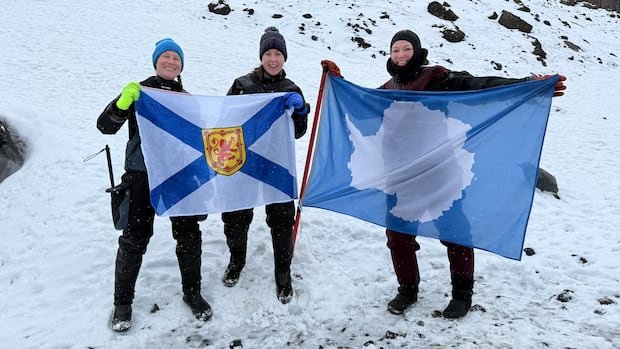

Katie MacIntosh had always dreamed of traveling to Antarctica, but her first experience on the continent didn’t go according to plan. While attempting to snorkel from her zodiac to the shore, she discovered her wetsuit was leaking. Despite the mishap, MacIntosh described the emotional significance of setting foot on a continent that few people, especially women in science, have the opportunity to visit.
MacIntosh was part of a team of three geoscientists from Nova Scotia who embarked on a month-long research expedition to Antarctica. Alongside two dozen female experts from various fields worldwide, they studied the impacts of climate change, led by Sea Women Expeditions.
Interestingly, three out of four leaders in underwater robotics work were from Nova Scotia, showcasing the province’s expertise in ocean science. MacIntosh, a marine geomatics engineer based in London, managed the planning and technology aspects of the expedition.
During their time in Antarctica, the team engaged in scuba diving and snorkeling activities to gather underwater data. They conducted research on leopard seals, examined whale bones, and mapped glaciers while also representing Nova Scotia by deploying robotic equipment and playing Maritime music from their zodiac.
Heather Pearce, a geoscientist consultant with WSP Canada, dived near the glaciers to study benthic marine life. She expressed the profound experience of descending into the water and interacting with the marine environment.
Denise Brushett, specializing in mapping and originally from the Lake Ainslie area, was awestruck by the sights in Antarctica. She described the breathtaking beauty of the ice, whales, and icebergs, emphasizing the visible effects of melting ice with the formation of new lagoons and changes in the landscape.
The team now plans to analyze the collected data over the next year and engage in educational outreach to raise awareness about climate change. Brushett feels a responsibility to share their findings and experiences with others.
In conclusion, the Nova Scotian geoscientists’ expedition to Antarctica was not only a scientific endeavor but also a personal and transformative journey that highlighted the urgent need to address climate change impacts.