
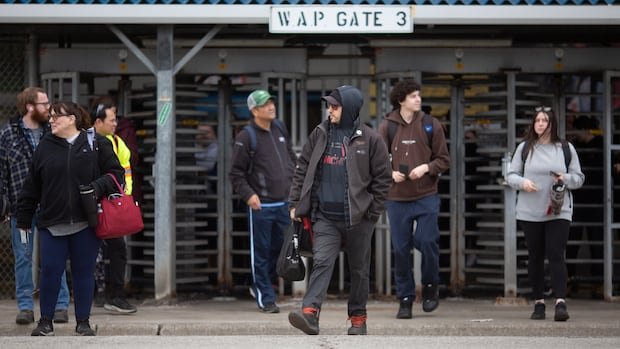

The president of Unifor Local 444, representing workers at the Stellantis Windsor assembly plant, expressed concerns about the company’s decision to move production of the Jeep Compass from Brampton to Illinois. James Stewart highlighted the potential implications for manufacturing plants across Canada if Brampton’s viability is in question. Stellantis, the fourth-largest auto manufacturer globally, stated that relocating the Jeep Compass production aims to boost manufacturing capacity in the U.S.
While Stellantis plans to add a third shift to its Windsor plant to meet increased demand for various models, including the Chrysler Pacifica and Dodge Charger Scatpack and R/T, some employees remain cautious despite assurances of job security. The history of broken promises has left employees like Del Tetrault skeptical, although he hopes the commitment to add a third shift in Windsor will be upheld.
Reflecting on past challenges, including the 2009 shutdown amid Chrysler’s bankruptcy protection, employees like Hickey advise younger workers to stay prepared for uncertainties in the auto sector. The recent shift in production dynamics, influenced by U.S. automotive tariffs, has added a new layer of concern for the industry.
Stewart emphasized the need for government intervention to safeguard the auto industry and other key sectors like aluminum, steel, and energy. Ontario Premier Doug Ford acknowledged the positive news of the third shift addition to the Windsor plant but expressed reluctance to provide further financial support to Stellantis, given the ongoing situation in Brampton.
Unifor national president Lana Payne was surprised by Stellantis’s decision, especially amid trade tensions, emphasizing the importance of government pressure on automakers to prevent adverse outcomes. Industry leaders, like Flavio Volpe, criticized Stellantis’s move as “cowardly,” underscoring the impact on families and communities associated with the company.
Despite assurances from Stellantis about future plans for Brampton, ongoing discussions with government officials will determine the next steps. Minister of Industry Mélanie Joly and provincial counterparts have reassured stakeholders of their commitment to holding Stellantis accountable for its obligations in Canada.
As discussions continue, Stellantis’s Windsor and Brampton plants face workforce challenges, with recent layoffs and production delays. The anticipated return to a three-shift operation in Windsor in early 2026 is expected to bring back around 1,000 jobs, signaling some stability amidst uncertainties. Stewart remains optimistic about Windsor’s Stellantis plant, citing the exceptional workforce and product quality as strengths moving forward.