
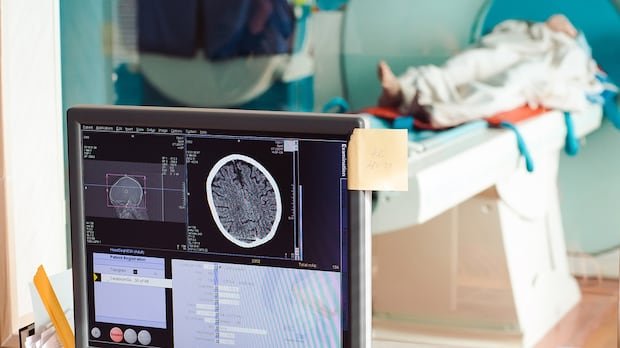

Alberta is considering changes to its laws to allow individuals to pay for diagnostic and preventive tests like MRIs, CT scans, and full-body scans without a doctor’s referral. While private testing options are currently limited in Alberta, the government assures that if a privately funded test uncovers a significant condition, the cost will be reimbursed to ensure no one pays for necessary medical tests.
Advocates of the proposal believe it will enhance access to healthcare services, relieve strain on public resources, and enhance early detection and health outcomes. Alberta’s Minister of Primary and Preventative Health Services, Adriana LaGrange, views this initiative as a step towards modernizing the healthcare system by attracting investments and healthcare professionals to the province.
However, critics express concerns that the plan may widen disparities in healthcare access and burden the public healthcare system. Dr. Paul Parks, President-Elect of the Alberta Medical Association’s Emergency Medicine Section, warns that expanding private pay access to MRIs could strain the public system and lead to unequal access to care.
Alberta Premier Danielle Smith refutes claims of a shortage of technicians and states that the issue lies in the limited funding for procedures. The government aims to utilize full capacity, enable preventative and diagnostic testing, and ensure prompt treatment for individuals diagnosed through private tests.
Some experts, like Renaud Brossard from the Montreal Economic Institute, support the idea, citing its potential to reduce wait times in both public and private healthcare sectors. On the contrary, Dr. Parks argues that the primary challenge in Alberta’s diagnostic system is a shortage of skilled technologists, who may opt for better-paying private positions over hospital roles with demanding schedules.
The government asserts that new workers constantly enter Alberta’s healthcare sector, filling job vacancies created by expansion. Despite concerns raised by some healthcare professionals, the government maintains that increasing access to preventative testing can lead to earlier detection of health issues and ultimately improve outcomes.
Dr. Eddy Lang from the Canadian Task Force on Preventive Health Care raises caution over the potential risks of widespread access to preventative screening tests, highlighting the possibility of unnecessary medical interventions and anxiety for patients. The government, however, argues that early screening can save lives and improve health outcomes by addressing issues before they escalate.
Stakeholders will be consulted on the proposed changes, with legislative and policy adjustments expected to be outlined by the first half of 2026. Patients like Isabelle Cliche, who face long wait times for essential tests, are eager to see how these changes may impact their healthcare journeys.