
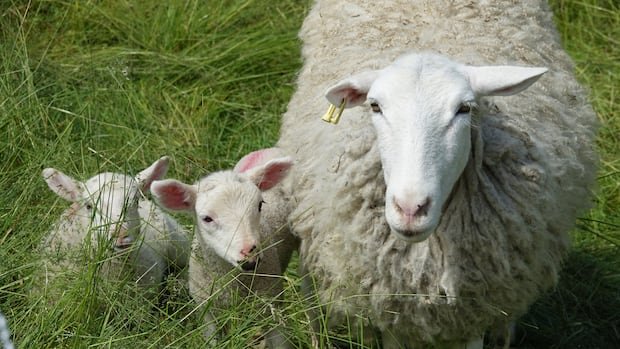

The government of British Columbia has modified its rules to grant additional authority to wildlife officers to euthanize escaped or deserted domestic sheep in a bid to safeguard wild sheep populations. The province has reclassified domestic sheep under the Wildlife Act to prevent the spread of diseases that could result in extensive mortality among wild herds.
Both domestic and wild sheep are susceptible to various infectious agents, although their immune systems and disease resistance capabilities differ. A bacterium called M. ovi, or Mycoplasma ovipneumoniae, is commonly present in domestic sheep and goats, causing rare illnesses but potentially fatal pneumonia in wild sheep.
According to the Ministry of Water, Land, and Resource Stewardship, the bacterium can spread through grazing, shared water sources, or salt licks, rapidly affecting wild populations once introduced. The regulatory amendments now categorize abandoning sheep on Crown land as a punishable offense, enabling the ministry to take ownership of the animals.