
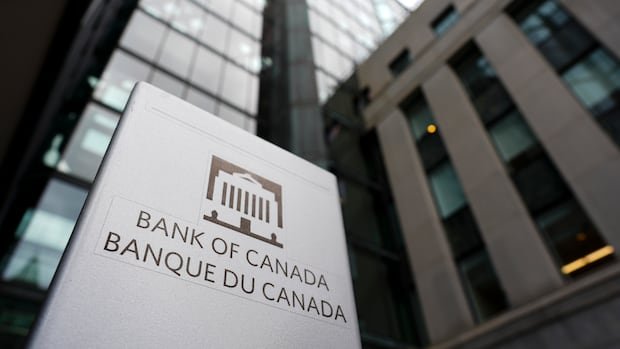

The Bank of Canada announced on Wednesday that it would maintain its key interest rate at 2.25 percent, in line with expectations. Governor Tiff Macklem stated that any adjustments to the rate would likely be minimal if the economy progressed as projected by the central bank. However, Macklem emphasized the need for flexibility in monetary policy due to the current high level of uncertainty.
The bank is closely monitoring the impact of the conflict in Iran, which has led to a surge in energy prices, as well as uncertainties in trade policies. Despite the rise in oil prices, the bank believes the overall effect on Canada will be moderate, with benefits to export revenues offset by pressures on businesses and consumers.
Inflation is expected to rise to around three percent in April from 2.4 percent in March, averaging 2.3 percent for the year but returning to the bank’s two percent target by early next year. Macklem noted that inflationary pressures are primarily concentrated in energy prices, with long-term inflation expectations remaining stable.
While near-term inflation expectations have increased due to higher energy and food prices, the bank is confident in the anchoring of long-term inflation expectations. Macklem expressed concerns about the potential impact of fluctuating inflation expectations, citing public discontent during the pandemic when inflation spiked to 8.1 percent.
The Bank of Canada’s projections assume unchanged U.S. tariffs and a reduction in oil prices to $75 per barrel by mid-2027. However, if energy prices continue to rise and persist, leading to broader inflation, the bank may need to implement consecutive rate hikes.
Trade tensions also pose a significant risk, with Macklem indicating a possible need for further rate cuts if Canada faces increased trade restrictions from the United States. Senior Deputy Governor Carolyn Rogers highlighted the short-term impact of the oil market turmoil and the long-term implications of trade disputes.
CIBC economist Avery Shenfeld interpreted the bank’s mention of these factors as a signal of maintaining the current rate for an extended period. The next monetary policy decision is scheduled for June 10, with market expectations leaning towards no rate change, but pricing in a 25-basis-point hike in October.