
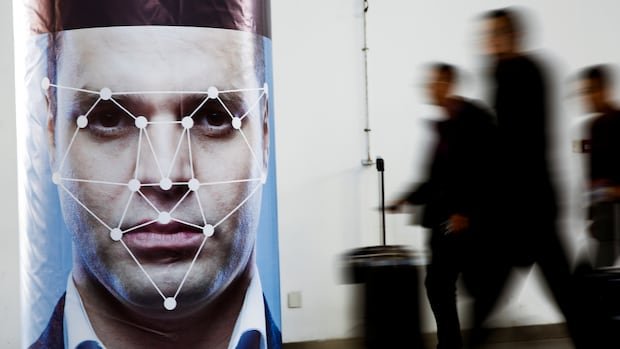

Warren Shepell encountered a disconcerting situation during his recent flight from Cleveland back to Toronto. As he was about to board the plane, two uniformed officers approached him on the boarding ramp and took his photo without explanation. Shepell, a well-known Canadian psychologist, felt surprised and violated by the incident.
This experience reflects a new initiative by the United States to photograph Canadian travelers entering and exiting the country using facial biometrics technology. The U.S. Customs and Border Protection (CBP) has been employing this technology at airports for nearly a decade to verify passengers’ identities. The program is now expanding to collect images of departing passengers at international U.S. airports, sea ports, and land borders.
The CBP aims to fully implement facial biometric technology at land borders next year and expects complete deployment at sea ports and airports within the next three to five years. A new rule announced by the U.S. Department of Homeland Security mandates non-U.S. citizens, including Canadians, to participate in the facial biometrics program starting December 26, despite a gradual rollout over several years.
While CBP asserts that facial biometrics enhance security and immigration law enforcement, privacy advocates raise concerns about potential misuse of the technology. The lack of federal laws regulating facial biometrics in the U.S. raises fears that travelers’ data could be exploited for purposes beyond security, such as surveillance or deportation.
Despite CBP’s assurances about privacy protections and the program’s intended use for identity verification, individuals like Shepell are questioning the implications and transparency of the surveillance measures. The uncertainty surrounding the future of travel and privacy rights under the expanding facial biometrics program could deter Canadians from visiting the U.S. further impacting tourism between the two countries.