
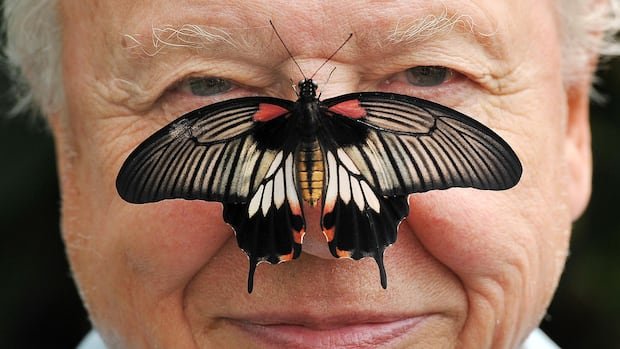

Sir David Attenborough, the renowned wildlife expert and broadcaster, is celebrating his 100th birthday on May 8. Known for his captivating nature documentaries such as “Planet Earth,” “The Blue Planet,” and “Frozen Planet,” Attenborough continues to mesmerize audiences with his work, including the recent release of his 2025 documentary, “Ocean with David Attenborough.”
Despite his deep affection for animals, there is one creature that Attenborough openly admits to disliking – rats. His aversion to rats stems from a harrowing experience in the Solomon Islands, where he felt a rat moving near his feet while staying in a thatched hut during a storm.
Attenborough’s influence extends beyond television screens, with over 40 species named after him, ranging from butterflies to wasps. Researchers commend his ability to unveil the hidden wonders of nature, leading to various species bearing his name.
In a surprising twist, Attenborough played a role in changing the color of tennis balls. During his tenure at BBC Two in the 1960s, he suggested using bright yellow tennis balls for better visibility on television broadcasts, eventually leading to the adoption of this color by the International Tennis Federation.
Having been knighted twice, Attenborough holds a unique distinction in the Guinness Book of World Records for winning BAFTA awards across different formats. His accolades include being the oldest recipient of a Daytime Emmy at 99 for his work on “The Secret Lives of Orangutans.”
Attenborough’s adventurous spirit was evident when, at 89 years old, he dove 100 feet underwater in a submersible to film parts of the Great Barrier Reef. Additionally, his lifelong fascination with nature traces back to his childhood, where he sold newts to a university zoology department.
Despite receiving numerous letters from fans, Attenborough remains offline on social media but ensures to reply to mail that includes a self-addressed, stamped envelope. His impactful documentary “Blue Planet II” spurred a global movement against single-use plastics, highlighting the environmental consequences of plastic pollution in oceans.
Lastly, if Attenborough could embody an animal for a day, he humorously mentions he would choose to be a sloth for their leisurely lifestyle. Embracing his playful side, Attenborough’s passion for wildlife and conservation continues to inspire audiences worldwide.