

An expert witness testifying at the inquiry into the deaths of five individuals in Constance Lake First Nation due to a fungal disease outbreak emphasized that the health system’s failure towards Indigenous people is a collective issue rather than the fault of any individual. Dr. Suzanne Shoush, a former family doctor and associate professor in northern Ontario, highlighted the systemic challenges faced by Indigenous communities.
Dr. Shoush, who currently directs Inner City Health Associates in Toronto, which focuses on Indigenous and community-centered solutions for homelessness, pointed out the historical context of anti-Indigenous racism in Canada. She explained how the displacement of First Nations to remote reserves with inadequate infrastructure has contributed to poorer health outcomes and shorter life expectancies.
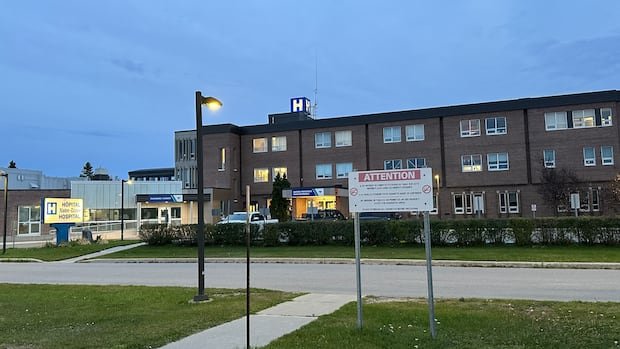
Drawing attention to disparities in healthcare access, Dr. Shoush questioned the lack of essential facilities such as a hospital or helicopter pad in Constance Lake compared to neighboring towns like Hearst. She referenced cases like Jordan River Anderson, Brian Sinclair, and Joyce Echaquan, where racism within the healthcare system led to tragic outcomes, perpetuating fear among Indigenous individuals seeking medical assistance.
Reflecting on the blastomycosis outbreak response, Dr. Shoush highlighted the deep emotional impact on both Hearst and Constance Lake, emphasizing the need for trust-building efforts between healthcare providers and the community. She noted the absence of Indigenous representation on the hospital board and stressed the importance of ongoing monitoring and accessible healthcare services for affected patients.
Dr. Shoush recommended empowering Indigenous communities to manage their health data, providing cultural competency training for healthcare professionals, and promoting Indigenous leadership within the healthcare system. She expressed hope that the inquiry would pave the way for restorative justice by acknowledging the humanity and grief of all involved parties.