
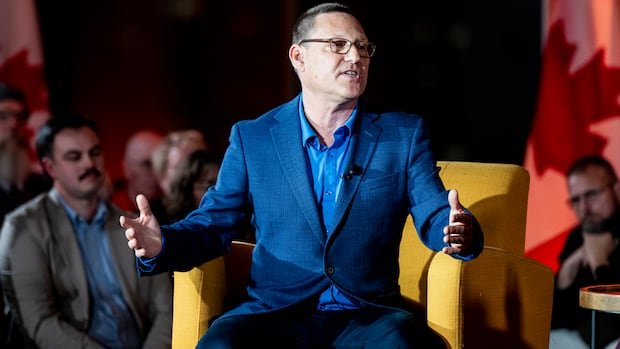

Avi Lewis, a candidate vying for leadership in the NDP, emphasized the need for Canada to break free from its dependence on fossil fuels, referring to it as an “addiction.” During a recent panel discussion alongside fellow contenders Rob Ashton and Heather McPherson, Lewis stood out by declaring his opposition to any further expansion of natural gas, oil, or coal within the country. He stressed the importance of implementing clear policies that differentiate the NDP from the federal Liberals, asserting, “We cannot continue to ramp up fossil fuel production in our nation.”
Lewis highlighted the necessity for the federal NDP to be able to voice disagreements with its provincial counterparts. He also advocated for transitioning towards “safe forms” of energy generation that align with modern standards. Drawing a parallel between society’s reliance on fossil fuels and an addiction driven by greed, Lewis remarked, “[Fossil fuel addiction] stems not only from the substance itself but also from the revenues it generates for provincial and federal governments.”
Citing scientific evidence on the acceleration of global warming through the burning of fossil fuels, Lewis underscored the urgent need for change. Heather McPherson, an MP from a province known for oil production, echoed Lewis’s sentiments on stage but downplayed his statements as longstanding NDP policy. She referenced the party’s 2021 policy book, emphasizing the commitment to ending Ottawa’s support for fossil fuel subsidies, as advocated by former leader Jack Layton back in 2003.
The NDP’s stance on limiting fossil fuel expansion has historically posed challenges in communicating the policy to the public, as seen with past leaders such as Thomas Mulcair and Jagmeet Singh. This position also creates tensions within the party, especially in provinces heavily reliant on fossil fuel production like Saskatchewan, Alberta, and British Columbia.
McPherson outlined her vision for empowering youth through initiatives like the Youth Climate Corps, focusing on employment opportunities in trades, arts, healthcare, child care, and green sectors. She also proposed supporting high-speed rail, retrofitting buildings, and establishing a “clean energy corridor” with an east-to-west electricity grid. Ashton advocated for expanding renewable energy, specifically wind power, emphasizing the importance of creating local job opportunities in sustainable energy sectors.
When asked about expanding fossil fuel production, Ashton stressed the need to prioritize environmental considerations and Indigenous consent in project developments. He emphasized the importance of transitioning to a green economy that offers well-paying union jobs to replace traditional fossil fuel employment, thereby fostering economic growth while reducing emissions.
The panel discussion, held at the Mouseland Gala in Ottawa, featured the three candidates and was moderated by Jordan Leichnitz, known for his appearances on CBC’s Power and Politics. Other candidates in the race, Tanille Johnston and Tony McQuail, provided video remarks. The event highlighted the diverse perspectives within the NDP leadership race and the ongoing debate on the party’s future direction.