
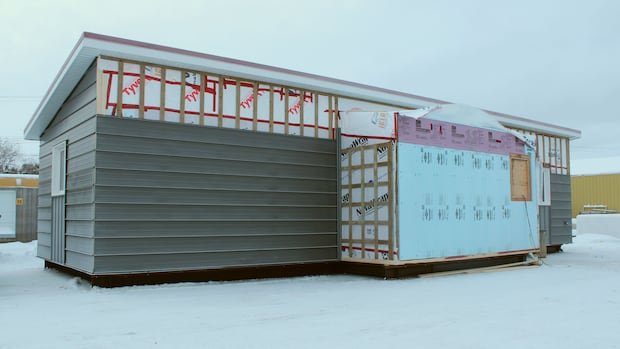

Energy-efficient homes play a crucial role in addressing health issues and alleviating the housing crisis in Indigenous communities, as highlighted in a recent report on Indigenous housing. The report, titled “Building Strength Through Shelter: Policy prescriptions for Indigenous Healthy Energy Homes,” released by the Canadian Climate Institute and Indigenous Climate Energy, reveals that nearly one in six Indigenous individuals reside in dwellings requiring significant repairs.
Carlyn Allary, a research associate at the Canadian Climate Institute and a member of the Manitoba Métis Federation, emphasizes the overlooked correlation between housing quality and health outcomes. She stresses that constructing more resilient homes can reduce long-term repair needs and mitigate health risks associated with substandard housing.
The report advocates for the construction of new energy-efficient homes and the retrofitting of older structures using sustainable principles to enhance health outcomes and yield economic benefits in the long run. Improved ventilation, mold prevention, and enhanced air quality are cited as additional benefits of transitioning to energy-efficient housing.
Kayla Fayant, an energy-efficient coordinator at Indigenous Clean Energy from Fishing Lake Métis Settlement in Alberta, underscores the importance of well-insulated, ventilated homes crafted from high-energy efficiency materials. While this approach may entail higher costs and longer construction timelines, the report outlines strategies for accelerating processes and facilitating diverse funding options to expedite housing projects.
Fayant points out that many individuals in Indigenous communities, such as those in Fishing Lake Settlement, lack homeownership, preventing them from securing mortgages for essential funding. Consequently, individuals often opt for cheaper, quickly constructed homes, perpetuating overcrowding and housing deterioration.
Fayant stresses the pressing need for more and better housing solutions to address the housing crisis in Indigenous communities. Allary echoes these sentiments, highlighting the necessity for stable and streamlined funding mechanisms to enable the construction of quality homes. She notes that existing funding constraints often compel the adoption of cost-saving measures, hindering the utilization of climate-resilient building materials.
Despite the upfront costs associated with energy-efficient housing, the report underscores a significant social return on investment, with every dollar invested in such housing yielding approximately $6.79 in social benefits. Fayant references data from the First Nations National Building Officers Association, indicating that homes in First Nations communities typically last only eight to 10 years before requiring extensive repairs or demolition, perpetuating a cycle of inadequate housing.
One of the key objectives outlined in the report is to foster improved collaboration between provincial/territorial governments and the federal government while prioritizing community input to address diverse housing needs effectively.