
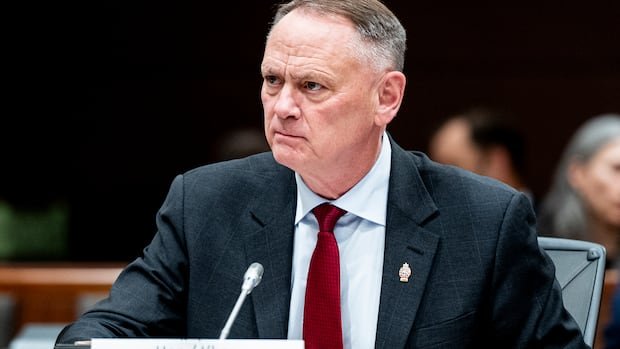

The bill introduced by the Liberal government to address sexual misconduct in the military is encountering resistance from some victims, former military officials, and opposition parties. The proposed legislation seeks to transfer the authority to investigate and prosecute sexual assault cases from the military to civilian police and judges.
Defence Minister David McGuinty expressed disappointment at the lack of universal support for the bill, emphasizing the need to remove this responsibility from the Canadian Forces to foster the desired cultural change. The bill is a response to concerns raised by former Supreme Court justice Louise Arbour in 2022 regarding the deficiencies in independence and competence within the military’s investigative and judicial processes.
Arbour’s investigation into the military’s handling of sexual offenses over the past two decades highlighted a decline in public trust and recommended that the military should no longer have jurisdiction over these cases. Opposition MPs have raised issues with Bill C-11 in the House national defense committee, prompting McGuinty to defend the necessity of the legislative changes proposed.
While Bloc Québécois and Conservative MPs have expressed a desire to enhance the bill based on victim testimonies, some concerns have been raised about the effectiveness of civilian courts in handling such cases. Retired captain Hélène Le Scelleur advocated for a hybrid investigative team that combines the strengths of both military and civilian systems.
Despite differing opinions, various experts, including Megan MacKenzie, support the bill’s objective of transferring sexual offense cases out of the military’s jurisdiction. Retired colonel Bruce MacGregor highlighted the military’s advantages in accessing evidence and locations related to incidents, while retired Supreme Court justice Marie Deschamps cautioned about the risk of transferring less serious offenses to civilian authorities.
The Bloc Québécois has proposed further study on the possibility of establishing a specialized tribunal for victims, drawing inspiration from Quebec’s model of a specialized civilian court for sexual and domestic violence cases. While calls for amendments persist, McGuinty stressed the immediate need to remove sexual offense cases from the military’s justice system.
In conclusion, the debate surrounding the bill reflects the complex considerations involved in addressing sexual misconduct in the military and ensuring justice for victims.