
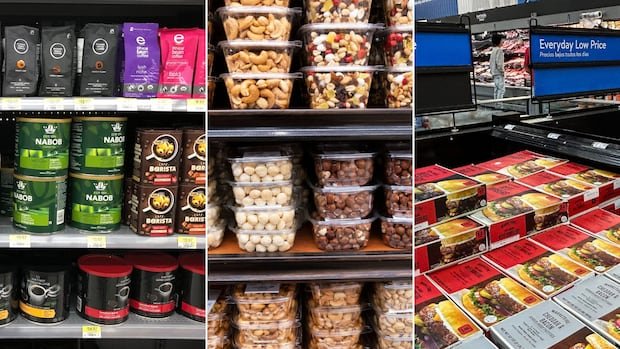

If you’ve found yourself hesitating over butter, coughing at the coffee prices, or feeling overwhelmed in the chocolate aisle, you’re not alone.
Food prices have been on the rise for over a year, with grocery inflation steadily increasing since April 2024, according to data from Statistics Canada. In September, shoppers spent four percent more on groceries compared to the same period last year.
While various items have contributed to higher grocery bills, beef, coffee, and confectionery stand out as some of the main culprits. Let’s take a closer look at some of the most expensive grocery items and the reasons behind their escalating costs.
Coffee Takes the Lead
Coffee prices have been steadily climbing, surpassing all other food items tracked by Statistics Canada’s consumer price index. Roasted or ground coffee prices surged by 41 percent in September compared to the previous year.
With the average price of 340 grams of roasted or ground coffee spiking by 34 percent since January, it’s clear that coffee lovers are feeling the pinch. Factors such as global supply issues in major producing countries like Brazil and Vietnam, along with U.S. tariffs, have contributed to the significant price hikes.
Even popular chains like Tim Hortons have had to adjust prices in response to the market fluctuations.
Beefing Up Beef Prices
Beef prices have seen a significant increase, with fresh or frozen beef prices rising by 14 percent year over year in September. Ground beef, in particular, experienced a steep price hike of 17.4 percent.
The escalating prices can be attributed to factors such as shrinking herds in Western Canada due to persistent droughts and higher feed costs. Bacon prices also saw an increase of 8.2 percent, while canned salmon prices rose by 8.3 percent.
Expensive Nuts and Seeds
Nuts and seeds witnessed a 15.7 percent increase in prices year over year in September, surpassing the inflation rate of fresh or frozen beef. Factors contributing to this surge include decreased harvests in the United States and increased demand for nuts like pistachios.
Climate change, logistics costs, and shifting food trends have also played a role in the soaring prices of nuts and seeds.
Rising Chocolate and Confectionery Costs
Confectionery prices, including chocolate, rose by 10.4 percent in September compared to the previous year. Cocoa prices have more than doubled in the past two years due to adverse weather conditions and diseases in major cocoa-producing regions like West Africa.
Manufacturers have been passing on these increased costs to consumers, leading to higher prices for chocolate products.
Orange Juice and Fruit Juices
Orange juice prices increased by 10.5 percent in September compared to the previous year. Price fluctuations in orange juice are common due to factors such as weather conditions affecting harvests.
While orange juice prices saw a hike, apple juice prices remained relatively stable during the same period.
Berries and Cucumbers: A Mixed Bag
Berry prices dropped by 13 percent in September compared to the previous year, possibly due to increased domestic production and higher imports from countries like Morocco.
On the other hand, cucumber prices experienced a significant 24.7 percent increase from the previous month, driven by the end of the local growing season and increased imports.
Overall, fluctuating prices in the grocery sector reflect a combination of global market dynamics, weather conditions, and consumer demand.