
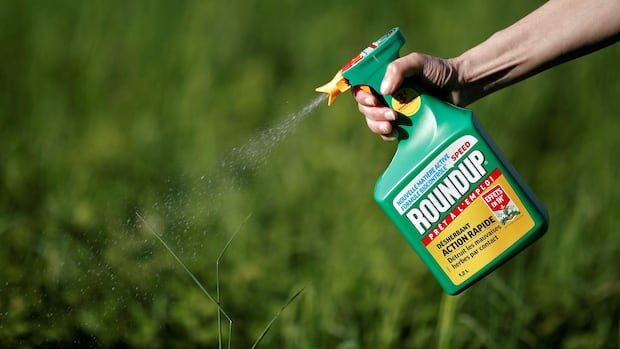

Health Canada affirms that its approval of a popular herbicide will not be impacted by the withdrawal of a crucial research paper. The study, conducted 25 years ago, asserted the safety of glyphosate, the primary component in Roundup, for human use. However, the journal Regulatory Toxicology and Pharmacology retracted the paper recently due to information revealed in U.S. litigation.
According to Beatrice Olivastri, CEO of Friends of the Earth Canada, the retraction has significant implications as the study served as a basis for regulatory decisions on glyphosate’s safety. The retraction highlighted concerns of potential ghostwriting by Monsanto employees, the manufacturer of Roundup, and possible financial influence on the study’s authors.
Despite the retraction, Health Canada emphasized that its 2017 re-evaluation, which endorsed the safety of glyphosate until 2032, was not solely based on the retracted study. The department conducted an independent assessment of over 1,300 studies, including industry-supplied and regulatory authority data, ensuring a comprehensive evaluation.
Health Canada stated that it continuously monitors glyphosate levels in humans, confirming levels significantly below the threshold for further analysis. Calls for a moratorium on glyphosate sales and a special review of the pesticide have been raised by environmental advocates, urging Health Canada to consider the latest scientific findings.
Glyphosate, widely used in Canada and globally, is primarily utilized in crops like canola and wheat for weed control. Despite assertions of safety from Bayer and Monsanto, concerns persist regarding potential health and environmental impacts. The retraction serves as a reminder of the necessity for ongoing review and evaluation of pesticide safety standards.