
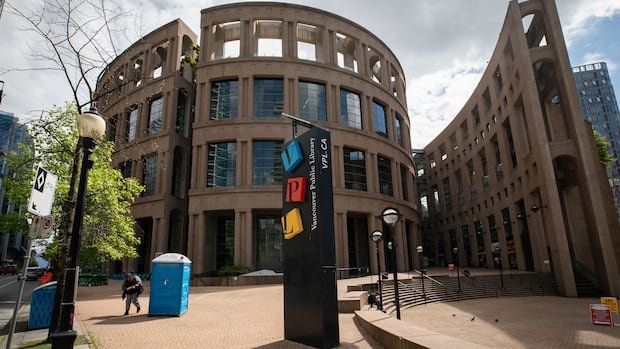

In a historic milestone for the Vancouver Public Library (VPL), digital loans of materials such as e-books, e-magazines, and music have surpassed physical copies, despite the fact that online versions are significantly more expensive. This development highlights the increasing popularity of digital content and the challenges libraries face in meeting the demand due to budget constraints.
Kay Cahill, VPL’s director of collections and technology, noted that while digital content was not a priority in the past, its rising popularity has shifted the library’s focus towards allocating more resources to digital collections. In 2024, the library had approximately 1.8 million physical items and around 696,000 digital items in its collection.
The demand for digital materials has been steadily increasing, with a 16% rise in digital circulation in 2024 compared to the previous year, while physical circulation declined by 3.5%. The cost of digital versions is higher due to licensing agreements with publishers, which require libraries to rent the materials for a set period or number of downloads, rather than owning them outright.
This issue is not unique to VPL, as libraries across the country struggle with managing budgets and long wait times for digital copies. The Vancouver Public Library Foundation is actively campaigning for additional funds to support the library’s collections, as only 8.5% of its $65 million yearly budget is allocated for this purpose.
Jenny Marsh, executive director of the Vancouver Public Library Foundation, highlighted the disparity in costs between digital and print materials, emphasizing the need for policy changes to address the issue. The Canadian Federation of Library Associations and the Union of B.C. Municipalities have called for government intervention to address restrictive licensing practices and increase core library funding to better support digital collections.
The shift towards digital borrowing reflects changing consumer preferences and the need for libraries to adapt to evolving technology trends. As libraries continue to grapple with financial constraints, finding sustainable solutions to support digital collections remains a pressing challenge for the future.