
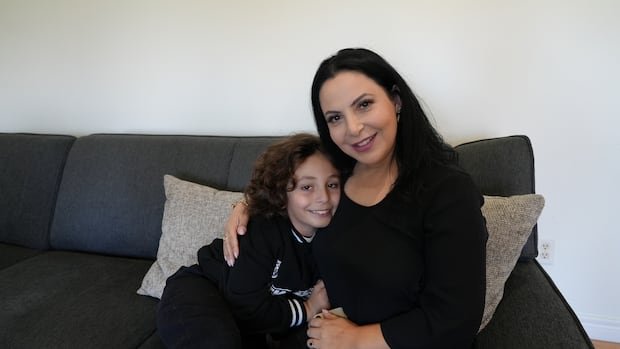

Eight-year-old Mohammad Farhad has a limited diet, mostly consisting of boiled eggs and spaghetti or lasagna due to his avoidant/restrictive food intake disorder (ARFID), according to his mother, Ramzia El Annan. Unlike anorexia or bulimia, ARFID is not driven by body image concerns but rather by a strong sensory aversion to many types of food.
El Annan emphasizes the need to raise awareness about ARFID, highlighting that it is not merely picky eating but a genuine hypersensitivity issue that creates a fear of trying new foods. The disorder, officially recognized in 2013, was previously categorized as a pediatric feeding disorder for children under six.
El Annan recalls noticing Mohammad’s distinct eating habits from infancy, leading to a formal diagnosis last year. She describes the challenges of ensuring Mohammad consumes enough nutrients while navigating the complexities of ARFID. El Annan employs various strategies like small portions, breathing exercises, and therapy sessions to help Mohammad manage his condition.
Despite the difficulties, Mohammad remains resilient and is learning to cope with ARFID. El Annan aims to connect with other families facing similar challenges, advocating for more support services and understanding within the community and educational systems. She hopes to establish a program to introduce ARFID children to a wider variety of foods.
Heather Leblanc, a social worker at BANA Windsor, emphasizes that ARFID manifests differently in individuals, with sensory sensitivity, fear of negative experiences, or disinterest in food being common factors. The condition can lead to severe health complications if left untreated, affecting weight gain, nutrient intake, and mental health.
Leblanc stresses the importance of personalized treatment, including cognitive behavioral therapy, to expand the food choices and quantities for ARFID patients. While services for youth with ARFID begin at age 11 in the community, adults are also supported by organizations like BANA. Leblanc encourages parents to seek professional help and assures that ARFID is not the individual’s fault.
Overall, the goal is to reduce stigma and provide a supportive environment for individuals with ARFID and their families. If you or someone you know is struggling with disordered eating, resources like the National Eating Disorder Information Centre and Kids Help Phone are available for assistance.