
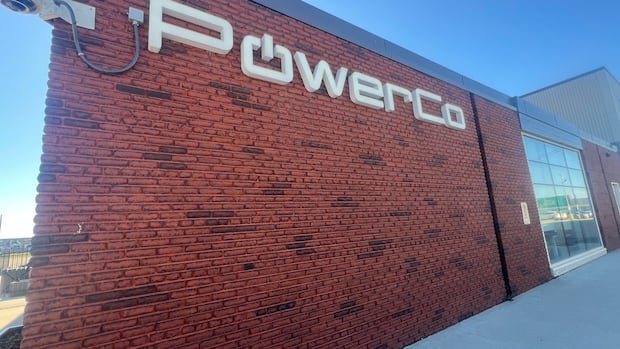

Despite recent negative developments in the automotive industry, Volkswagen is pressing ahead with its plans to construct a substantial electric vehicle battery facility in St. Thomas, Ont. The company has confirmed the commencement of construction for three buildings forming the sprawling 850,000-square-foot plant located northeast of St. Thomas.
Operated by PowerCo, a subsidiary of Volkswagen, the plant is actively recruiting, aiming to have 3,000 employees on board by the start of production in 2027. Norman Wickboldt, the company’s chief hiring officer, revealed in a recent interview with St. Thomas Economic Development that approximately 250 individuals have been hired, many of whom are currently based in the temporary office in downtown St. Thomas.
Wickboldt expressed intentions to have 400 employees by the end of the year, with recruitment efforts escalating for various roles including shop floor workers and engineers in the new year. He emphasized that PowerCo offers attractive job packages and prioritizes the long-term personal growth of its workforce.
In contrast to this positive outlook, recent industry reports suggest challenges for Canada’s auto manufacturing sector, particularly in electric vehicles. General Motors announced the suspension of electric delivery van production at its Ingersoll assembly plant, while Stellantis plans to relocate Jeep Compass SUV production from Brampton to Illinois.
Amidst these uncertainties, questions arise regarding the feasibility of Volkswagen’s St. Thomas battery plant, which has received substantial taxpayer subsidies. Will the current enthusiasm surrounding PowerCo’s operations endure, or will it face a fate similar to the GM plant in Ingersoll?
Andreas Schotter, an international business professor at Western University, holds a skeptical perspective, citing obstacles in the North American market’s adoption of EVs. Challenges such as charging infrastructure, vehicle range concerns, and high EV costs for consumers pose significant hurdles. Unlike European cities incentivizing electric vehicle usage, Schotter notes a lack of similar initiatives in North America.
Greig Mordue, a former auto industry executive, echoes concerns about the industry’s slow progression and uncertainties related to U.S. tariffs. Despite these challenges, Volkswagen is compelled to promote the project vigorously.
In a contrasting viewpoint, Klaus Meyer expresses optimism about the plant’s success, emphasizing the unique advantages of the St. Thomas location for battery production. Meyer highlights governmental support, essential resources availability, and logistical advantages that make the plant a strategic investment for Volkswagen.
Amid differing opinions, St. Thomas Mayor Joe Preston remains optimistic about the project’s future, citing ongoing construction activities and increasing employment opportunities within the city.
The developments surrounding Volkswagen’s St. Thomas battery plant continue to draw attention amidst broader industry shifts, sparking debates on its sustainability and potential impact on the region’s automotive landscape.