
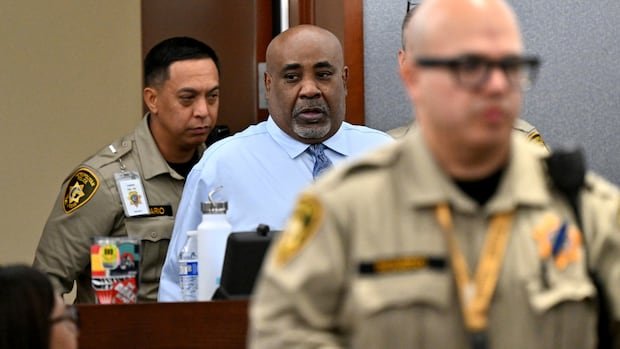

Duane (Keffe D) Davis, a former gang member, has commenced a murder trial related to the unresolved shooting of renowned hip-hop icon Tupac Shakur after nearly three decades. The trial, held in Las Vegas where the incident occurred in 1996, kicked off with jury selection on Monday.
Davis, aged 63 and in custody since 2023, is facing a charge of murder with a deadly weapon with the intent to advance a criminal gang’s activities in connection to Shakur’s demise. Despite pleading not guilty, prosecutors aim to portray Davis as the “shot caller,” indicating his influential role in the group that targeted Shakur during the 1996 Las Vegas Strip shooting.
During the trial, the prosecution will not focus on proving that Davis physically committed the act but rather on convincing the jury of his leadership position within the group responsible for the attack. The trial is expected to span about a month.
Shakur’s cousin, William Leslane, expressed that while the trial might bring accountability, achieving true justice is challenging after so many years. Leslane emphasized that justice should have been promptly pursued following Shakur’s tragic murder, which weakens the impact of current legal proceedings.
The evidence in the case largely stems from a book authored by Davis himself. In his 2019 memoir, “Compton Street Legend,” Davis detailed his alleged involvement in the shooting incident. Shakur, a rising star in the rap scene known for hits like “Dear Mama” and “California Love,” had a significant impact on the music industry before his untimely death at the age of 25.
The night of the shooting saw Shakur and Marion (Suge) Knight, co-founder of Death Row Records, in Las Vegas attending a boxing match. Following the event, Shakur was fatally shot while driving in a Death Row-owned BMW, with Knight sustaining injuries as well. The incident fueled speculation and conspiracy theories, with ongoing tensions between East and West Coast rappers intensifying the narrative.
In his book, Davis described the shooting as an act of revenge, attributing the attack to an earlier altercation involving his nephew and individuals associated with Death Row. He recounted the events leading up to the shooting and the subsequent chaos, shedding light on the circumstances surrounding Shakur’s tragic demise.
As the trial progresses, legal experts anticipate that Davis’s memoir, interviews related to the book, and his interactions with investigators will play pivotal roles in shaping the case. The defense is likely to question the authenticity of Davis’s accounts, while the prosecution will emphasize his previous statements supporting the accuracy of the memoir.
Despite the regret expressed by Davis in his book over Shakur’s death, the trial signifies a significant chapter in the ongoing quest for closure and justice surrounding the iconic rapper’s murder. Shakur’s enduring legacy as a multifaceted artist and cultural figure continues to resonate in the music industry and beyond.