
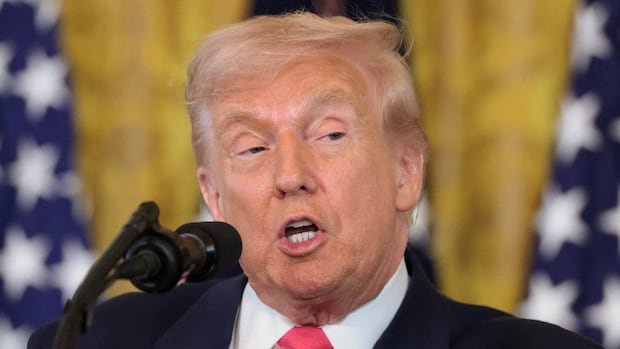

U.S. President Donald Trump made a significant move on Friday by lifting tariffs on various essential food items like beef, tomatoes, and bananas, responding to concerns from American consumers about rising grocery costs. This decision, effective retroactively from midnight on Thursday, represents a notable shift for Trump, who had previously denied that his trade tariffs were contributing to inflation.
In a statement aboard Air Force One on Friday evening, Trump acknowledged that his tariffs could potentially increase prices in some cases but maintained that the overall inflation rate in the U.S. remained low. The decision to exempt over 200 products from tariffs, including oranges, acai berries, and paprika, aims to address the mounting affordability issues faced by consumers.
The Trump administration also revealed trade deals that are set to eliminate tariffs on specific imports from countries like Argentina, Ecuador, Guatemala, and El Salvador, with additional agreements being pursued before the end of the year. The exempted products, which range from food items to chemicals used in production, have experienced significant price hikes over the past year.
Ground beef prices surged nearly 13% in September compared to the previous year, while steaks saw a 17% increase, marking the highest price spikes in over three years. Banana prices rose by about seven percent, and tomato prices by one percent. The move to exempt certain products from tariffs garnered praise from industry groups, although some expressed disappointment over their products being excluded.
Trump’s focus on affordability has intensified recently, with the president attributing rising costs to policies enacted by his predecessor, Joe Biden, rather than his own tariff measures. Economists warn that import tariffs are contributing to high grocery prices, with the possibility of further increases as companies pass on the full extent of the duties to consumers.
Critics, including the top Democrat on the House of Representatives Ways and Means Committee, Richard Neal, argue that the Trump administration is merely addressing issues caused by its own trade policies and disguising them as progress. Neal highlighted that since the implementation of tariffs, inflation has risen, and the manufacturing sector has experienced ongoing contractions.