

Canada’s annual inflation rate remained steady at three percent in August, with Statistics Canada reporting that gasoline and food prices saw a slight decrease while tour and travel costs went up. The agency noted that shelter expenses such as rents and mortgage payments also saw a slight increase during the same month.
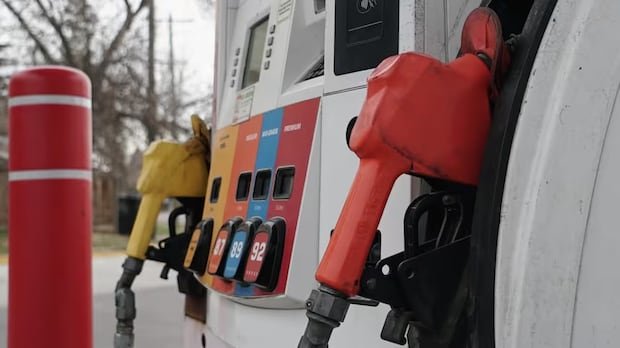
In August, consumer prices experienced a 0.1 percent decline. A recent survey of economists by LSEG Data & Analytics had anticipated that the annual inflation rate would stay at three percent. Notably, the data released on Monday does not account for the recent surge in crude oil prices due to escalating tensions in the Middle East. As per Kalibrate’s pump price data, the national average for regular gasoline has risen approximately 21 percent year-over-year.
Economist Benjamin Reitzes from the Bank of Montreal anticipates that the rise in gas prices will likely lead to increased inflation in September. He mentioned in a research note that a potential five percent increase in gasoline prices for September could accelerate the headline Consumer Price Index (CPI).
On the other hand, RBC economist Abbey Xu pointed out that there is currently limited evidence indicating that higher energy costs are causing overall price increases across the economy. She highlighted that while prices in energy-intensive sectors like air travel have remained high, the impact has not significantly spread to other consumer goods. Xu expressed concerns that prolonged high oil prices could lead to a greater pass-through effect on consumer prices.
Examining the August figures, Reitzes noted a 0.2 percent monthly drop in food prices, mainly driven by lower costs of fresh fruits and vegetables, which came as a surprise. However, he suggested that the anticipated rise in fuel prices might offset the decline in grocery prices soon.
Both Reitzes and Xu pointed out that the latest data from Statistics Canada aligns with their projections that the Bank of Canada will maintain its current stance in the near term. Reitzes emphasized that the current data does not provide any impetus for the Bank of Canada to consider a rate hike, thus dampening speculations about a potential increase in October. He also flagged the ongoing issue of rising oil prices, which have surged nearly five percent yet again.