
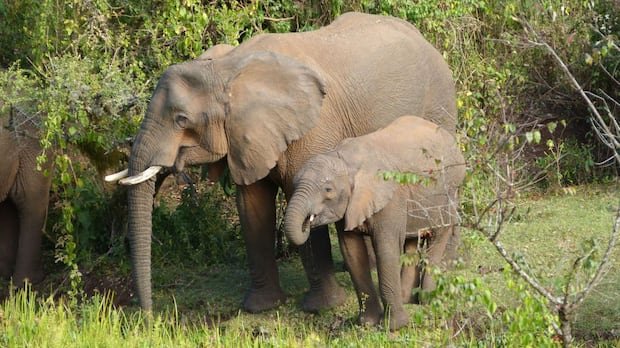

In an interview with scientist Elodie Freymann, intriguing tales of African elephants in Kenya’s Mount Elgon region using medicinal plants have been shared. Researchers, tapping into local knowledge, have documented several dozen medicinal plants utilized by these elephants. This study, published in the journal Nature, highlights the intelligence and complexity of elephants, emphasizing the need to safeguard the biodiversity crucial to their survival.
Based on interviews with members of the Sabaot community who have extensive experience with elephants, the study reveals instances of elephants seeking out specific plants when feeling unwell or feeding medicinal plants to their young. Of the 35 plants mentioned, 34 are traditionally used for medicinal purposes, with eight of the most cited plants known for their pharmacological properties.
While the findings provide a valuable starting point for further research, scientists caution that more evidence is necessary to confirm if the elephants are intentionally self-medicating. Chase LaDue, an elephant ecologist, notes the importance of health data and measurements to ascertain the actual impact of these plant consumptions on the elephants.
The study underscores the significance of local knowledge in guiding research efforts but acknowledges the limitations of anecdotal evidence. Freymann points out that despite the bitter taste of medicinal plants, elephants may consume them for their beneficial properties. Further research will involve analyzing footage of elephants consuming these plants to gain deeper insights into their behavior.
If proven, the elephants’ self-medicating behavior would align with similar observations in other animals like chimpanzees and great apes. Freymann emphasizes the critical role of biodiversity in providing animals with access to essential medicines for their well-being in a changing environment.
The study serves as a call to action to protect wildlife habitats not only for food and territory but also for the preservation of natural medicines essential for animal flourishing in evolving ecological conditions.