
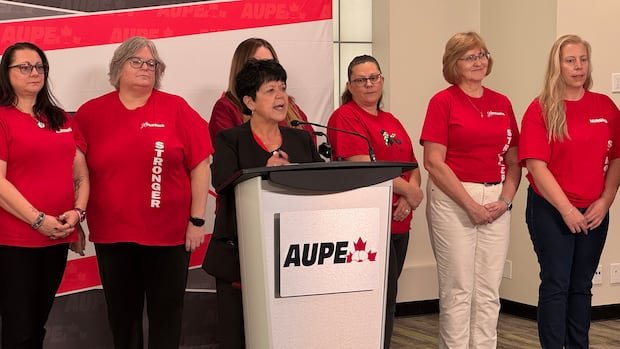

Nursing care staff, who are part of the Alberta Union of Provincial Employees (AUPE), have overwhelmingly voted in favor of strike action, with a resounding 98% approval rate. The voting process took place over several days from October 30 to November 3, with a total of 11,031 members participating in the ballot.
AUPE President Sandra Azocar expressed the members’ frustration with stagnant wages and unsafe working conditions during a press conference in Edmonton. The breakdown of negotiations between AUPE and Alberta Health Services, along with four organizations that succeeded the former provincial health authority, occurred in April. Mediation discussions are set to resume on Thursday.
The union, representing approximately 16,000 members primarily consisting of licensed practical nurses and health care aides, could potentially issue a strike notice as early as November 17. Despite their preference to continue their duties, the members are ready to advocate for their rightful demands and take necessary job actions if required.
The looming strike follows a similar situation with teachers, who were compelled to return to work after a three-week strike through provincial legislation employing the notwithstanding clause for legal protection.
Alberta’s Finance Minister and President of the Treasury Board, Nate Horner, expressed disappointment over the strike vote outcome. The government’s offer includes a 12% wage increase spread over four years, aligning with numerous other public sector settlements.
Notably, AUPE seeks wage parity for licensed practical nurses (LPNs) compared to registered nurses, proposing significant salary hikes ranging from 40% to 55%. Discussions also involve reducing annual work hours, with the comprehensive proposal estimated to exceed $2 billion.
Kate Robinson, representing AUPE in negotiations, highlighted the disparity in pay between LPNs and RNs, stressing the need to bridge the wage gap and maintain competitiveness. The upcoming regulation of health care aides in February adds complexity to the ongoing talks.
Amidst concerns about workplace safety and government intervention, the possibility of invoking the notwithstanding clause remains uncertain. The use of this legal tool could potentially impact negotiations, with differing perspectives on its applicability in this scenario.
Jason Foster, a human resources and labor relations expert, noted a trend of labor unrest nationwide, attributing it to economic challenges exacerbated by the COVID-19 pandemic and inflation. The broader context of labor disputes and government actions sets the stage for further developments in the ongoing negotiations between AUPE and the provincial authorities.